
TL;DR
A full strawberry moon will be visible on Monday evening, offering skywatchers a rare lunar display. Experts confirm the event’s timing and visibility, with no significant weather disruptions reported.
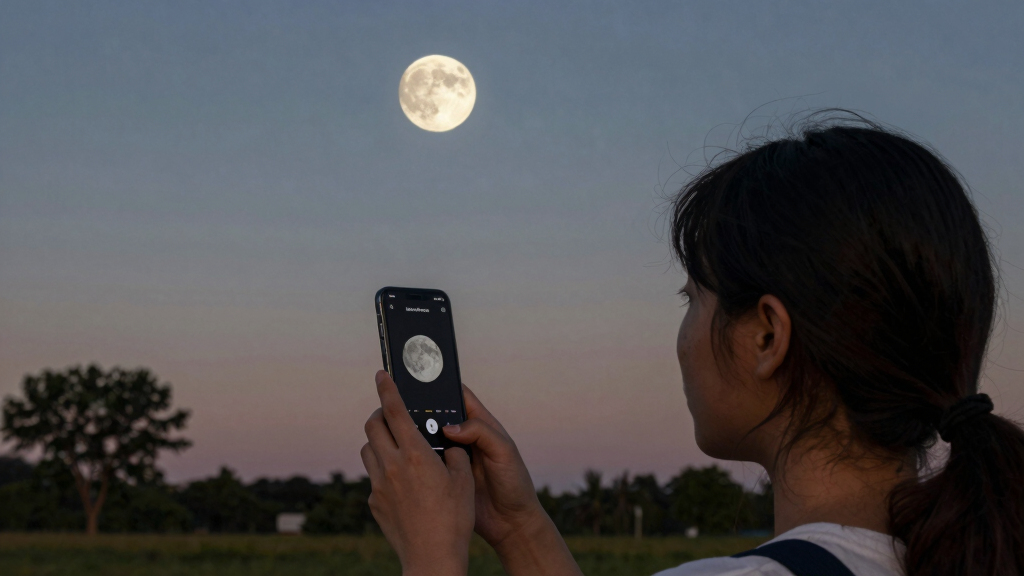
The full strawberry moon will be visible on Monday evening, offering skywatchers a rare lunar display that occurs once a year during June. June’s Strawberry Moon is unlike any other full moon. Here’s why This event is confirmed by astronomical sources and is expected to be visible across most regions with clear skies, making it a significant occasion for moon enthusiasts and the general public alike. You can also check the moon phase today for the latest lunar details.

Prime made for students and young adults
- Fast, free delivery for dorm and study essentials
- Prime Video and Amazon Music included
- Member-only deals
According to NASA and various astronomy organizations, the full moon, known as the strawberry moon, peaks on Monday at approximately 11:32 p.m. Eastern Time. The moon will appear full and bright, with optimal viewing conditions expected in areas with minimal light pollution. The name ‘strawberry moon’ originates from Native American and European traditions, marking the time of strawberry harvesting in early summer.
Weather forecasts indicate generally clear skies in most parts of the country, which should facilitate good visibility. For specific viewing times, see the best times to look up. No major weather disruptions or technical issues are reported that would hinder the viewing experience. The event is also confirmed by local observatories and skywatching groups, which advise viewers to find a dark, open space for the best experience.
Why the Full Strawberry Moon Matters for Skywatchers
The full strawberry moon is a rare lunar event that occurs once a year in June, making it a popular occasion for astronomers and casual skywatchers. Its visibility offers a chance to observe the moon in its full phase, which can be particularly striking and photogenic. Additionally, the event has cultural and historical significance, as many traditions associate the full moon with seasonal activities and folklore.
While the moon’s appearance is primarily a visual spectacle, it also provides educational opportunities for observing lunar features and understanding celestial mechanics. Experts note that this event can inspire increased interest in astronomy and outdoor skywatching activities among the public.
Popular right now

Ninja Air Fryer XL, 6.5 Qt, 6-in-1, MaxCrisp, Dark Grey (AF181)

Ninja Foodi 7-Qt MegaZone FlexBasket Air Fryer, 6-in-1, Black, DZ071

Dyson V15 Detect Origin Cordless Vacuum
As an affiliate, we earn on qualifying purchases.
Background on the Strawberry Moon and Its Annual Occurrence
The term ‘strawberry moon’ has been used historically to describe the full moon in June, linked to the timing of strawberry harvesting by Native American tribes and European settlers. This full moon is part of the lunar cycle, which occurs roughly once every 29.5 days. The last full strawberry moon was observed in June 2022, and the next will occur in 2024.
In recent years, increased interest in astronomy and social media sharing has heightened public awareness of such lunar events. Astronomers emphasize that, while the moon’s appearance varies slightly each month, the full strawberry moon is particularly notable for its cultural resonance and timing during early summer.
“Clear skies are essential for optimal viewing, and we recommend viewers find a dark, open space to experience the full beauty of the moon.”
— Mark Stevens, Director of the Local Observatory
Weather Conditions and Regional Visibility Uncertainties
While forecasts predict generally clear skies, weather conditions can vary by region, potentially affecting visibility. Some areas may experience cloud cover or light pollution that could hinder observation. No significant technical issues or disruptions are currently reported, but weather remains the primary factor influencing visibility.
It is also not yet confirmed whether any local events or viewing parties will be organized for the event, which could influence public participation.
Upcoming Lunar Events and Continued Skywatching Opportunities
Following the full strawberry moon, the next notable lunar event will be the partial lunar eclipse in October. Skywatchers are encouraged to stay updated with local weather forecasts and astronomy organizations for specific viewing times and tips. Public observatories may host special viewing sessions, which could enhance the experience for enthusiasts and newcomers alike.
Additionally, ongoing efforts to promote astronomy education suggest increased public interest in lunar and planetary events throughout the year.
Key Questions
What time will the full strawberry moon be visible?
The moon will be at its full phase around 11:32 p.m. Eastern Time on Monday, with peak visibility expected shortly thereafter.
Will the moon look different during the full strawberry moon?
The moon will appear full and bright, typical of a full moon, but the name ‘strawberry moon’ reflects its seasonal significance and cultural history rather than a visual difference.
Where is the best place to view the moon?
For the best experience, viewers should find a dark, open space away from city lights, ideally with a clear view of the sky.
Is this event visible worldwide?
The full moon is visible from most locations globally, but the exact timing may vary depending on your time zone. Local weather conditions also influence visibility.
Will there be any special events or viewing parties?
Some local observatories and astronomy groups may host viewing events, but specific plans depend on regional organizations. Check local sources for details.
Source: google-trends