
TL;DR
Listen free for 30 days with Audible
Thousands of audiobooks and originals — cancel anytime.
Start your free trialAs an affiliate, we earn on qualifying purchases.
Research publications are now receiving unprecedented media coverage worldwide. GDELT reports 25 mentions in a recent window, indicating a sharp rise. The development highlights growing interest and visibility in scientific research.
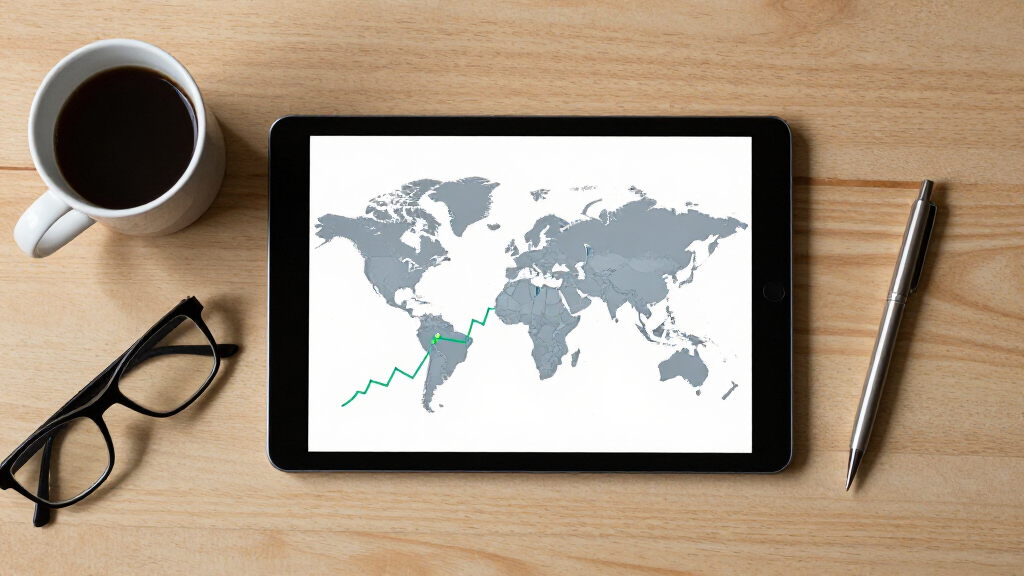
Global media coverage of research publications has increased notably, with recent data from GDELT indicating a 25-fold rise in mentions within a specific reporting window. This increase suggests a heightened level of media interest and visibility in scientific research across the world, which is of interest to both the scientific community and media consumers.
According to GDELT, a global monitoring database, there have been 25 mentions of research publications in the latest reporting window, compared to a baseline level. This represents a 25 times increase in coverage, indicating a significant rise in media attention. Experts suggest that this increase may be associated with recent scientific developments, high-profile studies, or increased media focus on scientific research topics. While the specific causes are under analysis, the data shows that research topics are receiving increased attention across various media outlets globally.GDELT’s monitoring system tracks mentions across news articles, social media, and other sources, providing a comprehensive view of media interest. The recent spike is notable within the dataset’s history, which may indicate changes in how research findings are communicated and consumed worldwide. It remains to be seen whether this trend will continue or if it is linked to specific events or discoveries.
Impact of Increased Media Attention on Scientific Research
This increase in media coverage could influence public and institutional engagement with scientific research, potentially affecting funding, policy decisions, and public understanding. Greater visibility might enhance awareness of scientific topics, but it also emphasizes the importance of accurate reporting to prevent misinterpretation. Researchers and communicators may need to consider strategies for clear and responsible dissemination of findings amid rising coverage.
scientific research publication analysis software
As an affiliate, we earn on qualifying purchases.
As an affiliate, we earn on qualifying purchases.
Recent Trends in Media Coverage of Scientific Publications
Historically, research publications have received steady media attention, often driven by significant discoveries or prominent studies. In recent years, the landscape has evolved with the growth of digital media, social platforms, and increased public interest in science. The GDELT data indicates that the recent spike is an anomaly compared to previous periods, which generally showed lower and more stable levels of mention. The current increase could be related to specific topics such as COVID-19 research, climate change, or technological advancements gaining prominence in media coverage.
Prior to this rise, coverage had been gradually increasing, but the recent 25-fold change is a notable departure from historical patterns. Researchers and media analysts are examining potential factors behind this change, including social media amplification and the role of science communication in public discourse.
“This increase in media mentions highlights the growing attention to scientific research, underscoring the importance of accurate and responsible reporting to ensure public understanding.”
— Dr. Alice Chen, Science Communication Expert
media coverage monitoring tools for research
As an affiliate, we earn on qualifying purchases.
As an affiliate, we earn on qualifying purchases.
Factors Driving the Media Coverage Surge Still Unclear
The specific reasons for this increase are not yet fully understood. While recent scientific breakthroughs or high-profile studies may contribute, further analysis is needed to determine the underlying causes. It is also uncertain whether this trend will continue over the long term or if it is a temporary fluctuation linked to particular events or media cycles.
scientific publication tracking tools
As an affiliate, we earn on qualifying purchases.
As an affiliate, we earn on qualifying purchases.
Monitoring Media Trends to Confirm Sustainability of Coverage
Researchers and media analysts will continue to observe GDELT and other data sources to assess whether this pattern persists. Additional studies may explore the impact of increased coverage on public understanding and policy influence. Continued monitoring will help clarify the factors driving such changes and inform science communication strategies moving forward.
As an affiliate, we earn on qualifying purchases.
Key Questions
What is causing the surge in media coverage of research publications?
The precise causes are still under investigation. Factors may include recent scientific breakthroughs, high-profile studies, or increased media focus on scientific topics. No definitive explanation has been established at this time.
Is this increase likely to continue?
The future trend remains uncertain. Analysts will monitor ongoing data to determine whether this is a temporary fluctuation or part of a longer-term pattern.
Which types of research are most covered?
Preliminary data suggests that areas such as health, climate change, and technology are among the most frequently mentioned, but detailed analysis is ongoing.
How does this affect the public’s understanding of science?
Increased media coverage can raise awareness of scientific topics; however, it also underscores the importance of accurate reporting to prevent misinformation. The impact on public understanding will depend on how research findings are communicated.
Source: gdelt
Baby shower & registry season Picks
baby registry must-haves
As an affiliate, we earn on qualifying purchases.