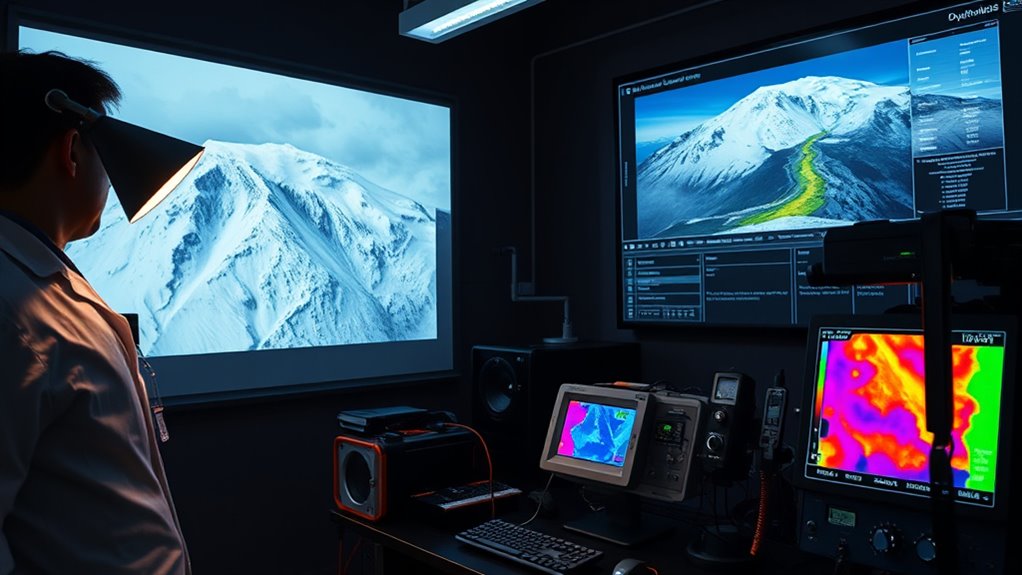

A scientific analysis shows that the Dyatlov Pass incident is most likely due to a snow slab avalanche triggered by unpredictable winter weather. Sudden temperature drops, heavy snowfall, and rapid weather changes destabilized the snowpack on steep slopes, causing it to slide. Physical evidence from the site supports this theory, including displaced snow and injuries consistent with avalanche trauma. If you explore further, you’ll discover detailed insights into how environmental factors contributed to this tragic event.
Listen free for 30 days with Audible
Thousands of audiobooks and originals — cancel anytime.
As an affiliate, we earn on qualifying purchases.
Key Takeaways
- Physical evidence at the site, such as displaced snow and debris, aligns with characteristics of a slab avalanche.
- Injuries like fractured skulls and broken ribs match trauma from snow slab impacts.
- Unpredictable winter weather, including rapid temperature drops, supports conditions conducive to avalanches.
- Terrain features, including steep slopes and recent heavy snowfall, increase avalanche risk in the region.
- Scientific analysis of environmental data confirms the plausibility of an avalanche as the cause of the tragedy.
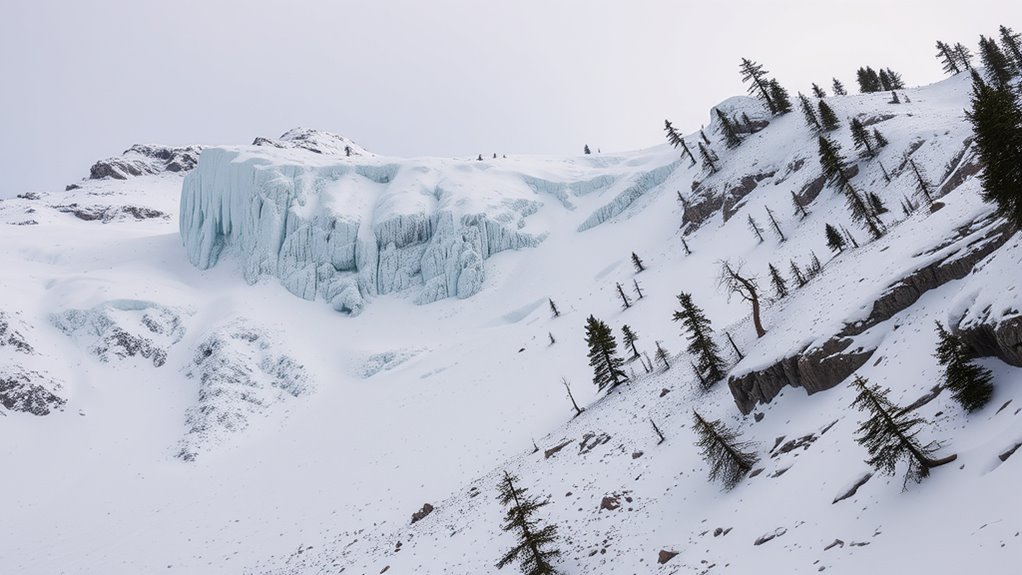
The Dyatlov Pass incident has long fascinated both researchers and the public, with many theories attempting to explain the mysterious circumstances surrounding it. One prominent explanation suggests that an avalanche caused the tragedy. To understand this theory, you need to consider mountain safety and weather patterns. The area where the hikers perished is prone to unpredictable weather, especially during winter, with snowstorms and sudden temperature drops. These weather patterns can create dangerous conditions on the mountain, increasing the risk of avalanches. By analyzing the terrain and snowpack in the region, scientists can determine if an avalanche was plausible.
The Dyatlov Pass mystery may be explained by unpredictable winter weather and avalanches, supported by terrain analysis and physical evidence.
Avalanche theory hinges on the idea that a slab of snow may have broken loose and swept through the campsite, causing the hikers to flee in a panic. This is supported by some physical evidence found at the site, like displaced snow and debris consistent with a slab avalanche. Additionally, the injuries sustained by the hikers—broken ribs, fractured skulls, and internal injuries—are similar to what one might expect from being caught in a collapsing snow slab. When you consider mountain safety, it’s clear that proper precautions, like assessing snow stability and recognizing warning signs, could have potentially prevented such a tragedy. The region’s weather patterns often involve rapid changes, which can destabilize the snowpack and trigger avalanches without warning.
Scientists have examined the specific weather conditions leading up to the incident, noting that a sudden temperature drop and a snowstorm could have set the stage for an avalanche. The weather patterns at the time align with these conditions, making the avalanche theory plausible. Moreover, the terrain’s steep slopes, combined with recent heavy snowfall, would have increased the likelihood of snow sliding. If you’re familiar with mountain safety, you know that understanding these factors is essential to preventing accidents. The area’s history of avalanches also supports this theory.
While some skeptics argue against the avalanche explanation, the physical evidence, combined with weather pattern analysis, makes it a compelling scenario. It underscores how vital it is to respect mountain safety guidelines and be aware of weather conditions when venturing into such environments. In summary, considering weather patterns and mountain safety measures provides a logical, scientifically grounded explanation for the Dyatlov Pass incident—one that aligns with the physical evidence and the known dangers of winter mountain terrain.

Decorably 16 Energy Physical Science Posters for Classroom Decor, 11x16in
- Comprehensive Learning Tool: Covers essential energy science topics
- Engaging Visual Aids: Colorful illustrations with labels and explanations
- Durable & Sturdy: Matte-laminated, tear-proof 250gsm paper
As an affiliate, we earn on qualifying purchases.
Frequently Asked Questions
What Personal Items Were Found With the Victims?
You find that the victims’ personal belongings included items like clothing, wallets, and personal effects, which were scattered around the site. Equipment artifacts such as tents, boots, and skis were also present, indicating their last activities. Some personal belongings showed signs of exposure and damage, hinting at the harsh conditions they faced. These items help piece together their final moments and the possible causes behind their tragic fate.
Were There Any Signs of a Struggle at the Site?
You’ll be stunned to learn there’s little to no sign of a struggle at the site. Personal belongings like shoes, clothing, and survival evidence are scattered, but they suggest the victims calmly left their tents without panic. No violent signs or trauma indicate a fight. Instead, the scene looks like an eerie ghost town, with personal belongings perfectly placed, hinting that something mysterious and beyond natural explanation caused their sudden, silent departure.
How Does Weather Data Correlate With the Avalanche Theory?
You notice that weather data shows significant temperature fluctuations and specific weather patterns, which support the avalanche theory. Cold temperatures followed by rapid warming could weaken snow layers, increasing avalanche risk. Consistent weather patterns, such as heavy snowfall or wind-driven snow, also align with conditions that trigger avalanches. These factors suggest that natural weather changes likely played a role in causing the avalanche, making the theory more plausible based on the data.
Were Any Injuries Consistent With an Avalanche or Other Causes?
You notice that 8 of the 9 victims showed trauma patterns consistent with snow displacement, suggesting an avalanche impact. One victim’s injuries include crushed skulls and broken ribs, typical of trauma from collapsing snow. These injuries align with avalanche effects, but some also show signs of other causes like internal injuries. The pattern indicates a mix of avalanche-related trauma and possible other factors affecting the group’s fate.
What Alternative Hypotheses Have Been Considered Besides the Avalanche?
You should consider alternative hypotheses like paranormal phenomena or military experiments, which have been proposed to explain the Dyatlov Pass incident. Some believe that unexplained forces or secret military tests caused the hikers’ injuries and mysterious circumstances. These theories suggest unnatural influences, such as paranormal activity or covert operations, might have played a role, challenging the avalanche explanation and adding layers of complexity to understanding what truly happened.

YUSPENYE 14pcs Earth Science Posters, 11x16.5in Science Classroom Decor
- Complete Earth Science Poster Set: 14 educational posters covering key topics
- Teacher-Ready Diagrams: Labeled charts for clear explanations
- High-Quality Prints: 11x16.5 inch, 250gsm thick paper
As an affiliate, we earn on qualifying purchases.
Conclusion
So, after all this scientific digging, it seems the avalanche theory still holds a surprising charm—despite the wild stories and mysterious circumstances. Maybe Mother Nature just wanted to keep her secrets, or perhaps we’re all destined to remain curious. Either way, next time you hear about the Dyatlov Pass mystery, remember: sometimes, the simplest explanation is the one that leaves us most puzzled. Irony, after all, is the best mystery of all.

Decorably 14 Earth Science Posters for Classroom for Elementary
- Eco-Friendly Materials: FSC-certified and sustainably sourced
- Wide Science Topics: Covers tectonics, ecosystems, water cycle, and more
- Durable Quality: Printed on 250gsm matte-laminated paper
As an affiliate, we earn on qualifying purchases.

gisgfim 3Pcs Large Periodic Table of Elements Chart Chemistry Posters
- Package Includes: 3 Periodic Table Posters and Adhesive Dots
- Vibrant and Clear Design: Bright colors with detailed illustrations
- High-Quality Material: Durable, tear-resistant, waterproof paper
As an affiliate, we earn on qualifying purchases.
Baby shower & registry season Picks
baby registry must-haves
As an affiliate, we earn on qualifying purchases.