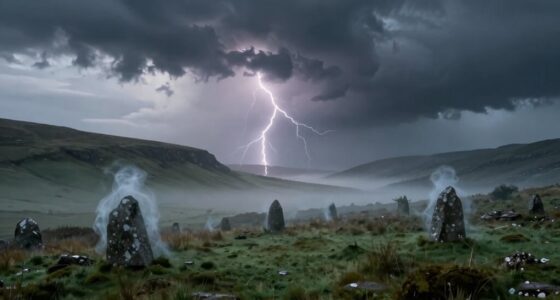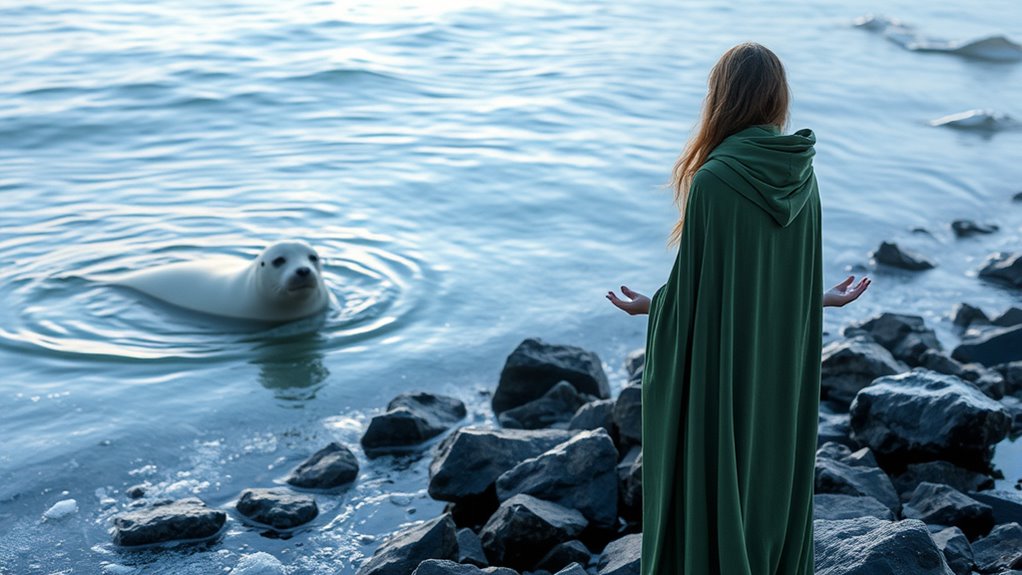

Selkies are mythical seal people from North Atlantic folklore, known for their ability to shed their seal skins and become beautiful humans. These creatures symbolize the boundary between nature and humanity, embodying themes of longing, freedom, and transformation. Their stories highlight the fluidity of identity and the desire to connect with roots or escape societal constraints. To discover more about these enchanting beings and their legends, keep exploring their fascinating symbolism and cultural significance.
Listen free for 30 days with Audible
Thousands of audiobooks and originals — cancel anytime.
As an affiliate, we earn on qualifying purchases.
Key Takeaways
- Selkies are mythical seal-human shape-shifters from Scottish and Irish folklore, often depicted as women who shed their seal skin to become human.
- They symbolize the boundary between nature and humanity, embodying themes of longing, freedom, and identity fluidity.
- Legends often involve the theft or loss of their seal skin, trapping them in human form and representing themes of captivity and desire for freedom.
- Selkie stories evoke mystical, wonder-filled worlds beneath surface appearances, often tied to themes of transformation and self-discovery.
- The tales reflect universal human experiences of longing, belonging, and the mysterious connection to the natural world across North Atlantic cultures.
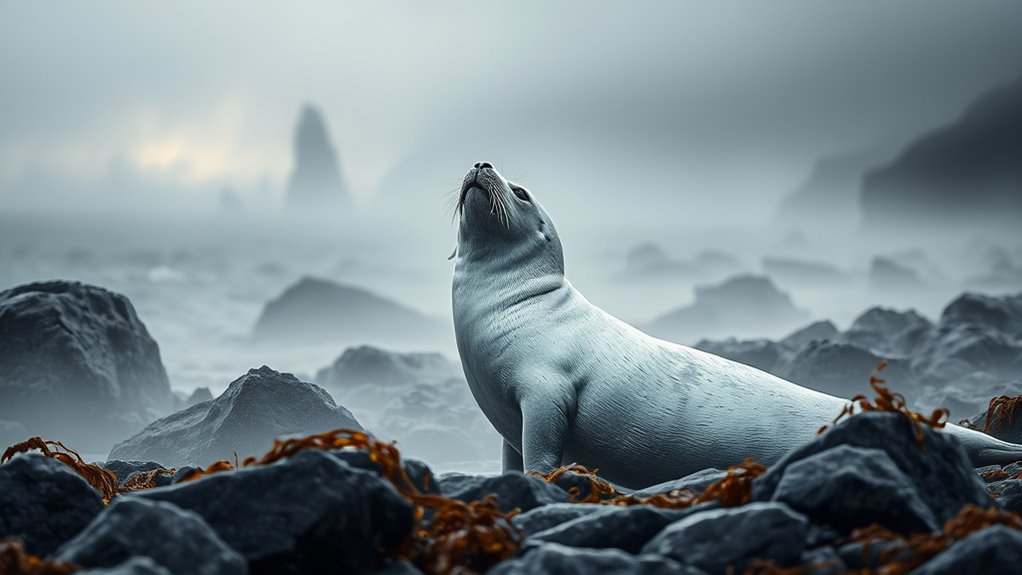
Have you ever heard of the selkies, the enchanting seal folk of Scottish and Irish folklore? These mythical creatures are believed to be seals that can shed their skin and transform into beautiful humans, often women, when they come ashore. This concept of mythical transformations lies at the heart of their legend, spellbinding imaginations for centuries. When you encounter a selkie story, it’s not just about the magic of changing forms; it’s also about the deep folklore symbolism that these tales carry. Selkies often symbolize the delicate boundary between the natural and human worlds, embodying themes of longing, freedom, and the allure of the unknown. Their stories suggest that beneath the surface of everyday life, there’s a mysterious world full of wonder and hidden depths.
In the folklore surrounding selkies, their transformations are more than just physical changes—they represent the fluidity of identity and the eternal pull between two worlds. When a selkie sheds her seal skin, she temporarily gains human form, but her true nature remains just beneath the surface, always waiting to re-emerge. This mythical transformation underscores a common motif in folklore: the idea that true identity cannot be fully hidden or suppressed. It’s a reflection of the human desire to connect with nature or escape societal constraints, a theme that resonates through countless stories of shape-shifting beings. As you listen to or read about selkies, you begin to see how their legend encapsulates complex notions of longing and belonging, echoing universal feelings of yearning for freedom or a return to one’s origins.
Folklore symbolism also plays a significant role in these tales. The seal skin itself becomes a potent symbol—representing a link to the natural world, a secret kept hidden, or even a form of personal power. When a selkie’s skin is stolen or lost, she’s trapped in human form, highlighting themes of captivity and longing for liberation. Such stories often serve as allegories for human relationships, where love and loss intertwine, and the desire to reclaim one’s true self persists. Whether it’s the longing for a distant homeland or the yearning to reconnect with your roots, selkie legends evoke deep emotional currents that touch on the universal human experience. Their stories remind you that beneath the surface, there’s always more than meets the eye, and that transformation—whether physical or emotional—is a powerful force for change and self-discovery. Additionally, the classic sailing imagery often associated with tales of seafaring and exploration complements the mystical allure of selkie legends.
Frequently Asked Questions
Are There Any Modern Sightings of Real Selkies?
You might be intrigued by modern sightings of real selkies, but there’s no solid evidence to prove their existence. Marine folklore often features mythical sightings that captivate the imagination, yet these stories remain unverified. People occasionally report seal-like creatures or strange encounters, but scientists view these as misidentifications or folklore-inspired tales. So, while the stories persist, there’s no confirmed proof that selkies are more than myth in today’s world.
How Do Selkies Influence Local Folklore Today?
Like whispers carried by the tide, selkies still ripple through your local folklore, shaping cultural symbolism and enriching sea mythologies. They inspire stories of duality, transformation, and longing, reminding you of nature’s mysterious depths. Today, they influence art, literature, and traditions, anchoring community identity to ancient legends. You feel their presence in the stories told at coastal gatherings, a timeless reminder of the ocean’s enchanting power and the secrets it keeps.
What Symbols Are Associated With Selkies in Art?
In art, you see selkies represented with seal motifs, often showing their transformation between seal and human form. The moon symbolism is also prominent, highlighting their connection to tides and the mysterious ocean. These symbols evoke themes of transformation, longing, and nature’s magic, making them powerful visual cues. You might notice these motifs in paintings, sculptures, or jewelry, emphasizing the mystical bond between selkies and the sea.
Are Selkies Featured in Any Popular Movies or Books?
Think of selkies as hidden gems in storytelling, shimmering just beneath the surface. You’ll find them featured in movies and books, like in Neil Gaiman’s *American Gods* or the film *The Secret of Roan Inish*, where mythical symbolism and folklore adaptations bring their stories to life. These tales captivate audiences by blending myth with reality, making selkies a charming part of modern fantasy and folklore narratives.
What Are Common Themes in Selkie Stories Across Cultures?
In selkie stories, you’ll find common themes like mythical transformation, where humans become seals or vice versa, symbolizing the deep connection between humans and nature. Oceanic symbolism runs throughout, representing freedom, mystery, and longing. These stories often explore themes of love, loss, and longing, emphasizing the fragile boundary between land and sea. You’re drawn into tales where the ocean becomes a powerful symbol of both danger and home.
Conclusion
As you explore the world of selkies, you realize they’re like whispers of the sea’s soul, blending myth and reality. Their stories remind you that some mysteries are too deep to fully uncover, like treasures hidden beneath endless waves. Keep your heart open to these enchanting legends, for they’re the pearls of the North Atlantic’s vast ocean. Embrace the magic, and let the selkies’ song linger in your mind like a haunting lullaby.
Back to school Picks
back to school
As an affiliate, we earn on qualifying purchases.