TL;DR

Get school and study supplies delivered free — and shop member deals
- Fast, free delivery on millions of items
- Access to Prime Big Deal Days deals on October 6–7
- Prime Video, Amazon Music and more included
This week features the full Strawberry Moon on July 3, visible planetary alignments, and notable meteor activity. These events are confirmed and provide opportunities for skywatchers worldwide.
This week’s sky highlights include the full Strawberry Moon on July 3, which will be visible across much of the world, along with notable planetary alignments and meteor activity. These confirmed events offer skywatchers a range of opportunities to observe and enjoy the night sky during late June and early July.
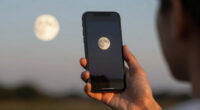
On July 3, the Moon will reach its full phase, commonly called the Strawberry Moon, a name originating from Native American and European traditions. This full Moon is prominent in the night sky, providing an excellent opportunity for observation and photography. Additionally, several planets, including Jupiter and Saturn, will be visible in the evening sky, with some observers noting favorable viewing conditions for binoculars or telescopes. Meteor activity is expected to peak around July 3-4, with the Alpha Capricornids and Delta Aquarids producing sporadic meteors, according to NASA’s Meteor Watch. These events are confirmed by sky monitoring organizations and observatories, with no significant claims of anomalies or unusual phenomena reported.
Observers are advised to check local sky charts for optimal viewing times, as weather conditions may affect visibility. The Moon’s brightness during the full phase may outshine some fainter celestial objects, but it also enhances the overall sky spectacle. The planetary conjunctions and meteor activity are well-documented, with forecasts based on established astronomical calculations and recent observations.
Why This Week’s Sky Events Matter for Observers
This week’s astronomical events offer accessible and spectacular opportunities for both amateur and experienced skywatchers to engage with the night sky. The full Strawberry Moon provides a culturally rich and visually striking event, while planetary alignments and meteor showers enhance the scientific and recreational value of observing the cosmos. These events also serve as educational moments, encouraging public interest in astronomy and space science. For researchers and astronomers, the predictable nature of these phenomena allows for coordinated observation efforts, contributing to ongoing studies of lunar and planetary dynamics and meteor activity.
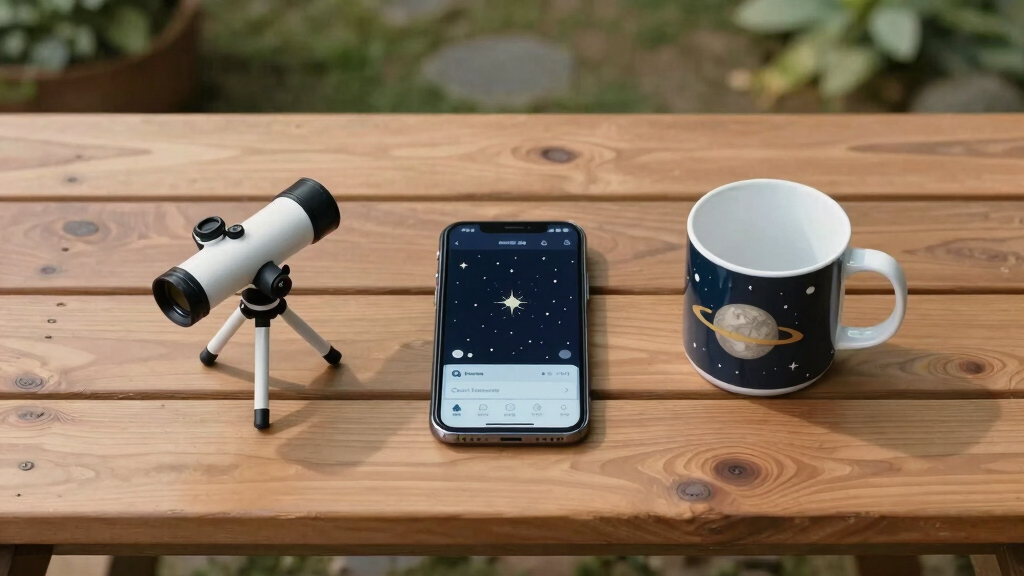
astronomical telescope for beginners
As an affiliate, we earn on qualifying purchases.
As an affiliate, we earn on qualifying purchases.
Background on the Full Moon and Meteor Showers in Summer
The full Moon, known as the Strawberry Moon, occurs annually around early July and is named for the ripening of strawberries in North America. Its occurrence is predictable and has been observed for centuries. Meteor showers like the Alpha Capricornids and Delta Aquarids are annual events that peak during summer months, originating from debris left by comets and asteroids. The Delta Aquarids, for example, are associated with Comet 96P/Machhol, and their activity is well-documented through decades of observation. Planetary visibility varies throughout the year, with certain planets like Jupiter and Saturn reaching optimal viewing positions during summer evenings, based on their orbital positions relative to Earth.
Recent years have seen increased public interest in skywatching, partly driven by social media and accessible astronomy apps. The upcoming full Moon and meteor showers are part of this ongoing seasonal cycle, with forecasts based on NASA and astronomical society data.
“The full Strawberry Moon will be especially bright and prominent on July 3, offering excellent viewing conditions in clear skies.”
— Sky & Telescope
binoculars for night sky viewing
As an affiliate, we earn on qualifying purchases.
As an affiliate, we earn on qualifying purchases.
Weather Conditions and Observation Limitations
While the astronomical events are confirmed, local weather conditions remain uncertain and could impact visibility. Cloud cover, rain, or light pollution may obscure some or all of the planned observations. No unusual phenomena or unexpected events are currently reported, but weather remains the primary factor influencing observation success.
As an affiliate, we earn on qualifying purchases.
Upcoming Celestial Events After July 5
Following this week, the next notable event is the New Moon on July 17, which marks the start of a new lunar cycle. The Perseid meteor shower, one of the year’s most prominent, will peak in mid-August, offering another major opportunity for night sky observation. Astronomers and skywatchers are encouraged to prepare for these events by checking local forecasts and planning observation sessions in advance.
As an affiliate, we earn on qualifying purchases.
Key Questions
When is the best time to see the full Strawberry Moon?
The full Moon will be most visible on the night of July 3, with optimal viewing around moonrise and moonset, weather permitting.
Which planets will be visible during this week?
Jupiter and Saturn are the most prominent planets visible in the evening sky, with some visibility of Mars depending on local conditions.
Will there be a meteor shower this week?
Yes, the Alpha Capricornids and Delta Aquarids are expected to produce meteors, with peak activity around July 3-4.
Are there any unusual or rare sky phenomena expected?
There are no reports of unusual phenomena; the events are consistent with seasonal and lunar cycles.
How can I best observe these events?
Check local sky charts, find a dark, open area away from light pollution, and consider using binoculars or a telescope for planetary viewing.
Source: google-trends
Halloween Picks
halloween
As an affiliate, we earn on qualifying purchases.