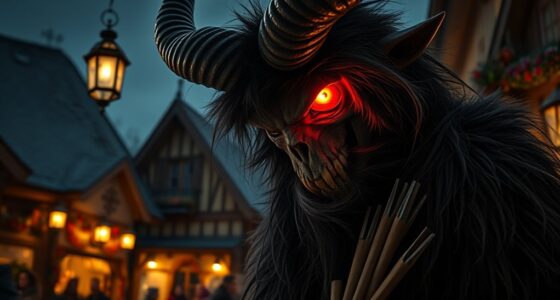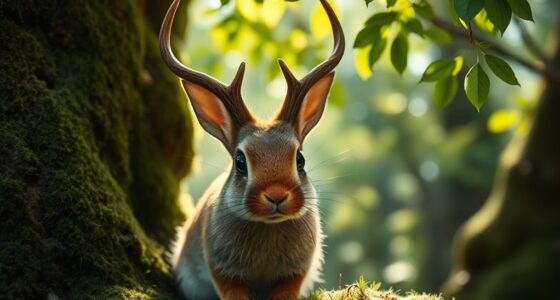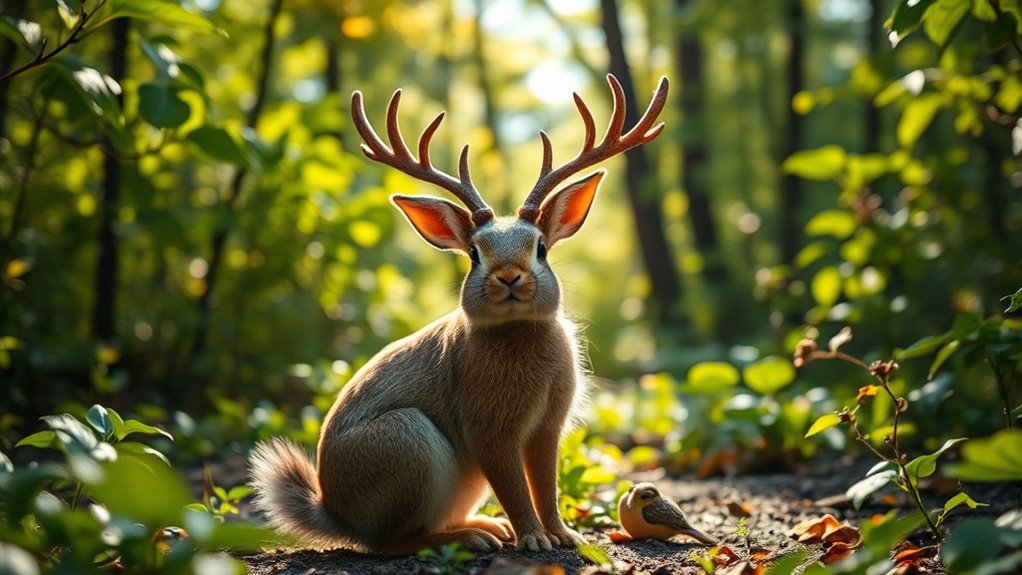

Germany’s Wolpertinger is a legendary hybrid creature rooted in Bavarian folklore, blending parts of various animals like rabbits, antlers, and wings. It started as a humorous taxidermy novelty in the 19th century and evolved into a story symbolizing mischief and local humor. These creatures reflect regional identity and serve as cultural symbols, showcasing how myths can emerge from everyday life. Explore further to uncover the fascinating origins of this whimsical Bavarian myth.

Prime made for students and young adults
- Fast, free delivery for dorm and study essentials
- Prime Video and Amazon Music included
- Member-only deals
Key Takeaways
- The Wolpertinger is a Bavarian mythical hybrid combining parts of various animals, originating as a humorous taxidermy novelty.
- Its stories date back centuries, rooted in local humor, legends, and folklore to entertain and amuse communities.
- The creature symbolizes Bavarian cultural identity, reflecting regional humor, tradition, and storytelling practices.
- Hybrids like the Wolpertinger serve as cultural artifacts, embodying folklore that explains natural phenomena and community values.
- Folklore origins shape the myth, emphasizing the creature’s mischievous nature and its role in preserving regional storytelling.
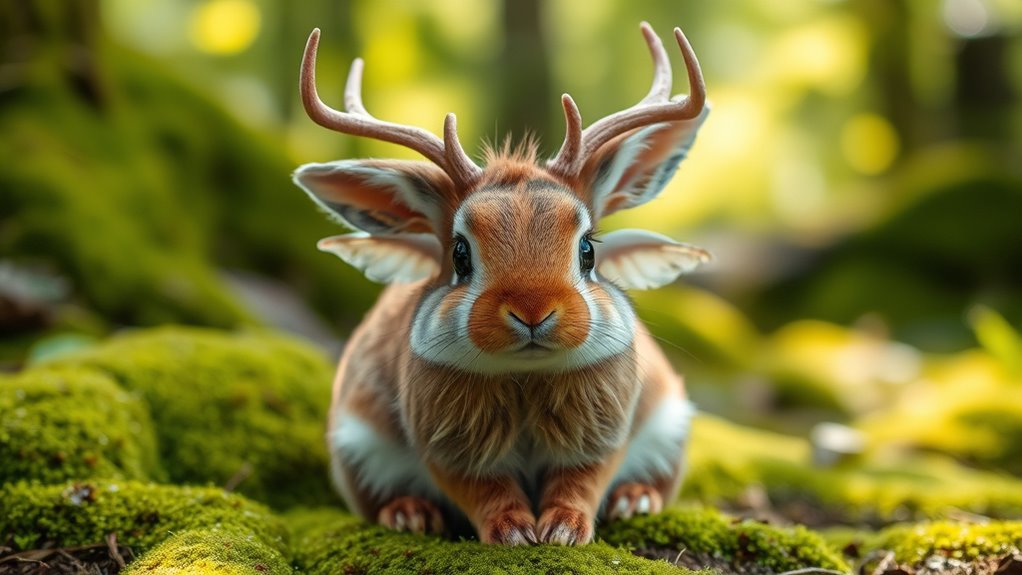
Hybrid creatures are fascinating beings that blend features from different animals, resulting in unique and often mythical forms. When you explore these creatures, you’re delving into a world where imagination and tradition collide, creating stories that have persisted through generations. One notable example from Germany is the Wolpertinger, a legendary hybrid that combines parts of various animals into a single, fantastical creature. This creature has become a symbol of Bavarian folklore, illustrating how mythical animals often originate from local legends, humor, and cultural storytelling. The Wolpertinger’s folklore origins trace back centuries, with tales suggesting it’s a mischievous creature that appears in forests, sometimes mimicking real animals but with bizarre combinations—like a rabbit with antlers or a squirrel with wings. These stories serve as a reflection of regional humor and the Bavarian appreciation for the whimsical.
You might find it interesting that the concept of hybrid creatures like the Wolpertinger isn’t unique to Germany. Across the world, many cultures have crafted their own mythical animals, often rooted in folklore origins that aim to explain natural phenomena or serve as cautionary tales. These creatures symbolize more than just myth; they embody cultural identity, fears, and hopes. The Wolpertinger, specifically, was often created as a humorous taxidermy novelty in the 19th century, blending real animal parts into a single piece to entertain travelers and locals alike. Over time, it evolved into a mythic creature, with stories growing more elaborate, emphasizing its elusive nature and mischievous personality.
As you learn about these hybrid animals, it’s clear that their mythic status isn’t accidental. They serve as cultural artifacts, encapsulating a community’s sense of humor, imagination, and storytelling tradition. The folklore origins of the Wolpertinger highlight how myths can emerge from everyday life—sometimes as practical jokes, sometimes as legends that enhance local identity. You can see how these stories foster a sense of wonder and curiosity, inviting people to look beyond the ordinary and embrace the fantastical. Exploring cultural storytelling and other mythical animals reveals how folklore origins shape our understanding of mythic animals, making them timeless symbols of cultural creativity.
As an affiliate, we earn on qualifying purchases.
Frequently Asked Questions
Are Wolpertingers Real Animals or Mythical Creatures?
You might wonder if wolpertingers are real animals or just mythical creatures. They’re actually mythical, rooted in folklore significance and Bavarian tradition. These hybrid creatures combine parts of various animals, created as a whimsical joke or a local legend. Their mythical origins make them more of a cultural symbol than a biological reality, capturing imaginations and highlighting regional storytelling rather than existing in nature.
How Did the Wolpertinger Become a Symbol of Bavarian Folklore?
You see, the Wolpertinger became a symbol of Bavarian folklore because it embodies regional identity and playful storytelling. Its mixed features reflect local humor and creativity, making it a beloved myth that captures Bavarian culture. Folklore symbolism like this helps preserve traditions, while also entertaining and uniting the community. So, the Wolpertinger’s quirky image represents Bavarian pride and the region’s rich storytelling heritage.
Are There Similar Hybrid Creatures in Other Cultures?
Many cultures craft creatures combining elements of various animals, showcasing mythical hybridization and cultural symbolism. You’ll find the Chinese dragon, a majestic mix of serpent, lion, and bird, symbolizing power and wisdom. In Greek mythology, the Chimera merges lion, goat, and serpent, representing chaos and strength. These hybrids serve as powerful symbols, illustrating cultural values and mythic storytelling, much like the Wolpertinger does within Bavarian folklore.
What Are the Most Common Features Combined in a Wolpertinger?
You’ll notice that the most common features combined in a Wolpertinger include rabbit bodies with bird wings, deer antlers, and sometimes fangs or claws. These mythical hybridizations reflect folklore symbolism, blending animals to evoke curiosity and whimsy. Such creatures symbolize the mysterious, playful side of local legends, representing nature’s unpredictability. They embody a mix of real and imagined traits, making the Wolpertinger a mesmerizing example of mythical hybrid creatures.
Can Wolpertingers Be Found in Modern Popular Culture?
Like a myth reborn, wolpertingers do pop up in modern culture through playful adaptations and clever references. You’ll see them in pop culture, from quirky art to fantasy stories, where they symbolize whimsy and mystery. In modern adaptations, artists and creators celebrate this hybrid creature’s charm, making it a fun, fantastical element that sparks imaginations. So, yes, the wolpertinger continues to delight and inspire in today’s vibrant pop culture landscape.
As an affiliate, we earn on qualifying purchases.
Conclusion
As you journey through Germany’s enchanting tales, you realize the wolpertinger’s charm lies in its whimsical roots and gentle mystique. While it’s a playful symbol of imagination, it softly reminds us to cherish creativity and the magic of stories we hold dear. Embracing these legendary creatures invites you to see the world through a lens of wonder, where the boundaries between reality and fantasy gracefully blur, leaving your sense of curiosity gently awakened.
Bavarian folklore creature plush
As an affiliate, we earn on qualifying purchases.
As an affiliate, we earn on qualifying purchases.
As an affiliate, we earn on qualifying purchases.
Columbus Day / Indigenous Peoples' Day Picks
long weekend sales
As an affiliate, we earn on qualifying purchases.