The Wolpertinger shows that humor is a key part of monster folklore, using absurdity to entertain and challenge seriousness. Its bizarre mix of animal parts highlights how stories can poke fun at mythical creatures, making legends more playful and memorable. These creatures serve as cultural jokes, reminding you not to take myths too seriously. If you keep exploring, you’ll discover even more way humor shapes how we perceive folklore and imagination.

Prime made for students and young adults
- Fast, free delivery for dorm and study essentials
- Prime Video and Amazon Music included
- Member-only deals
Key Takeaways
- The Wolpertinger exemplifies how humor is used to parody and lighten traditional monster folklore.
- Its bizarre, exaggerated features serve as comedic devices that challenge the seriousness of mythic creatures.
- Folklore stories about Wolpertinger reflect cultural humor and critique human credulity through absurdity.
- The creature highlights storytelling as a playful reflection of human imagination and exaggeration.
- Wolpertinger demonstrates how humor fosters cultural identity and entertainment within folklore traditions.
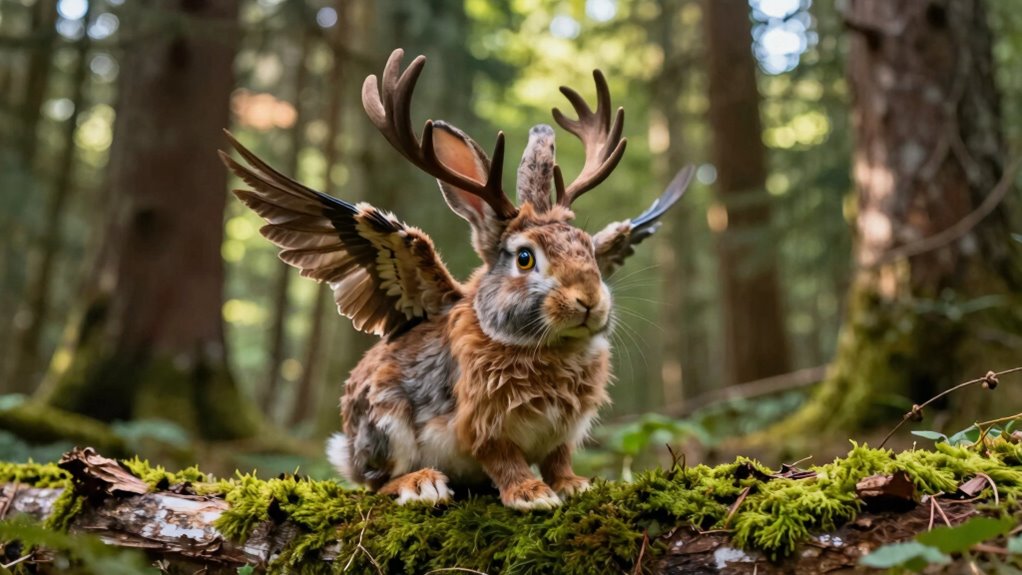
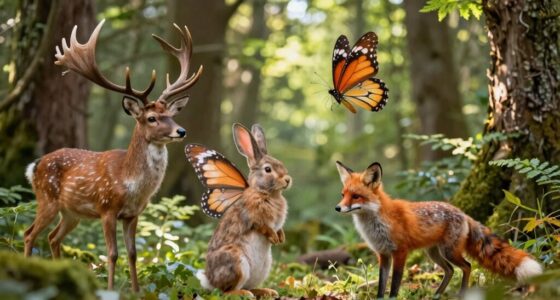
Have you ever wondered how folklore blends humor with the mysterious? The Wolpertinger, a legendary creature from Bavarian folklore, exemplifies this playful intersection. Its bizarre combination of a rabbit’s body, a deer’s antlers, and wings creates a creature that’s more than just a strange myth—it’s a symbol of comedic symbolism within folklore satire. When you encounter stories about the Wolpertinger, you’re not just hearing about a mysterious beast; you’re engaging with a cultural joke that pokes fun at the idea of monstrous authenticity. The creature’s absurd mix of animal parts isn’t meant to scare you but to amuse and to serve as a satirical commentary on the human tendency to invent and exaggerate.
Folklore satire often uses creatures like the Wolpertinger to challenge the seriousness with which myths and legends are sometimes treated. By inventing a creature that defies biological logic, storytellers highlight the humorous side of folklore—reminding us that not all myths should be taken at face value. The Wolpertinger’s exaggerated, nonsensical features act as a comedic device that invites laughter, not fear. This playful approach underscores a broader tradition in monster folklore: that some stories are more about entertainment than about actual monsters lurking in the shadows. The creature becomes a symbol for the playful side of storytelling, where the absurdity itself becomes a form of satire aimed at human credulity. Additionally, the humorous elements demonstrate how folklore can serve as a cultural commentary, blending education with entertainment. Engaging with these stories also fosters a sense of cultural identity, as they reflect shared humor and traditions.
Folklore satire uses creatures like the Wolpertinger to turn myths into playful, humorous commentary on human credulity.
You’ll find that the humor embedded in these stories isn’t accidental. It’s carefully crafted to poke fun at the seriousness with which legends are sometimes regarded. The Wolpertinger’s ridiculous anatomy encourages a lighthearted view of folklore, emphasizing that stories can serve as cultural commentary wrapped in comedy. This creature also exemplifies how biodiversity can be playfully incorporated into storytelling, highlighting the imaginative blending of real and mythic animals. It also reflects a tradition of storytelling that embraces humor as a way to critique and entertain simultaneously. The creature operates as a mirror reflecting human imagination—an exaggerated, humorous mirror that invites you to question what’s real and what’s invented. This is the essence of comedic symbolism in folklore satire: it uses humor not just to entertain but to critique and to reveal the playful, often absurd nature of storytelling itself.
As an affiliate, we earn on qualifying purchases.
Frequently Asked Questions
How Did the Wolpertinger Originate in German Folklore?
You might find that the Wolpertinger’s origins in German folklore stem from 19th-century Bavarian tourist traditions. Folklorists believe it was created as a humorous, mythical creature to entertain visitors and locals alike. Its bizarre combination of animal parts reflects a playful storytelling approach, blending humor and fantasy. This creature’s origins highlight how humor in folklore often arises from regional customs, creating legendary beings that capture imaginations and celebrate local culture.
Are There Real Animals Combined in the Wolpertinger Myth?
You’d be surprised to learn that the wolpertinger isn’t based on real animals, despite cryptid sightings fueling folklore legends. It’s a mythical creature combining parts of various animals like rabbits, deer, and birds, crafted as a humorous hoax or local legend. This playful mix-up of animal features highlights how folklore often blends imagination with tradition, making the wolpertinger a delightful symbol of Bavarian humor and storytelling.
What Other Mythical Creatures Exemplify Humor in Folklore?
You’ll find mythical satire and folklore comedy in creatures like the mischievous leprechaun, which often pokes fun at greed, or the quirky jackalope, blending rabbits with antelopes for humorous effect. The troll, with its exaggerated features, adds humor through its grumpy antics. These monsters serve as playful commentary, highlighting human flaws and adding humor to folklore stories, making them more memorable and entertaining.
How Do Modern Pop Culture Depictions Influence Wolpertinger Myths?
Modern pop culture greatly influences Wolpertinger myths through parody and satire, making these creatures more humorous and accessible. You see this cultural adaptation in movies, comics, and memes that exaggerate or playfully reinterpret the Wolpertinger’s features. These depictions keep the folklore lively, blending tradition with contemporary humor, and encourage you to see the creature not just as a mythical curiosity but as a symbol of playful storytelling.
Why Is Humor Important in the Storytelling of Monster Folklore?
You might think humor weakens monster folklore, but it actually boosts audience engagement and makes stories memorable. Comedic storytelling helps people connect with mythical creatures, like the Wolpertinger, by humanizing them and adding charm. Humor breaks the tension, encouraging curiosity and conversation. Without it, tales risk becoming dull or intimidating. So, humor isn’t just entertainment; it’s an essential tool for keeping monster stories lively and relatable.
As an affiliate, we earn on qualifying purchases.
Conclusion
So, next time you hear about the wolpertinger’s bizarre antics, remember—it’s not just a quirky creature but a master of humor in monster folklore. It reminds us that even the strangest beings have a funny bone, proving that laughter truly is universal—even among mythical mishaps. Who knew that a creature with antlers, wings, and a rabbit’s face could teach us that humor’s the best way to survive the wildest stories? Cheers to the wild side of humor!
As an affiliate, we earn on qualifying purchases.
As an affiliate, we earn on qualifying purchases.
Halloween Picks
halloween
As an affiliate, we earn on qualifying purchases.