TL;DR

Prime made for students and young adults
- Fast, free delivery for dorm and study essentials
- Prime Video and Amazon Music included
- Member-only deals
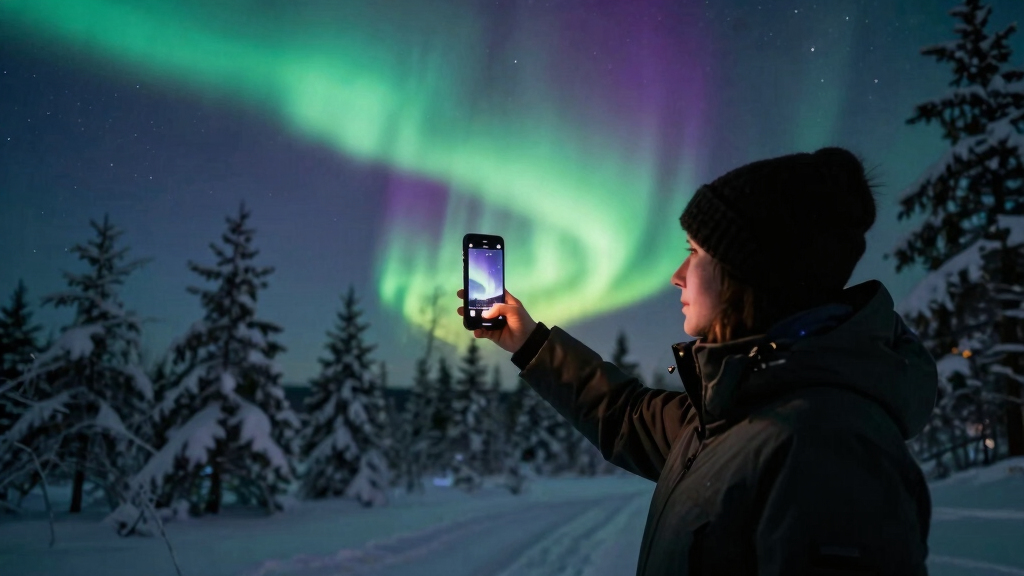
A geomagnetic storm is expected to cause northern lights to be visible in up to 19 U.S. states tonight, including Vermont. The event is confirmed by space weather forecasts, but visibility depends on local conditions.
Space weather forecasts indicate that a geomagnetic storm could produce visible northern lights across 19 U.S. states tonight, including Vermont. This development is confirmed by space weather agencies and meteorologists, and it could allow many residents in these regions to witness auroras for the first time in years.
The National Oceanic and Atmospheric Administration’s (NOAA) Space Weather Prediction Center has issued a geomagnetic storm watch for tonight, driven by a solar wind stream interacting with Earth’s magnetic field. According to NOAA, the storm’s intensity could be strong enough to produce visible auroras as far south as the northern United States, spanning from North Dakota to Maine, including Vermont.
Space weather experts say that the storm’s peak activity is expected between 8 p.m. and 2 a.m. local time, with clear skies increasing the likelihood of visibility. The forecast suggests that residents in these areas with dark, clear skies away from city lights may see the auroras, which typically appear as shimmering green, red, or purple lights in the night sky.
While the forecast indicates a high probability of aurora visibility, the actual sighting depends on local weather conditions, light pollution, and individual eyesight. The event marks a rare opportunity for many in the affected regions to observe the northern lights, which are usually limited to northern latitudes.
Why This Aurora Event Is Important for U.S. Residents
This event is significant because it offers a rare chance for residents in southern regions of the U.S., including Vermont, to witness the northern lights, which are typically confined to northern Canada and Alaska. Such auroras are caused by solar activity impacting Earth’s magnetic field, and their visibility can serve as a reminder of space weather’s influence on our planet.
Additionally, the storm’s occurrence highlights the importance of space weather monitoring and forecasting, which can impact satellite operations, communications, and power grids. For amateur astronomers and aurora enthusiasts, this event provides an opportunity to observe a natural phenomenon usually out of reach for most Americans.
portable telescope for aurora viewing
As an affiliate, we earn on qualifying purchases.
As an affiliate, we earn on qualifying purchases.
Background on the Current Geomagnetic Storm and Aurora Forecasts
The current geomagnetic storm is linked to a solar wind stream from a coronal hole on the Sun, which has been tracked by NASA and NOAA satellites over the past 48 hours. This solar activity has led to increased geomagnetic activity on Earth, prompting the storm watch.
Historically, similar solar events have caused auroras visible at lower latitudes, but such occurrences are relatively rare in the continental U.S., especially as far south as Vermont. Previous notable aurora displays in the U.S. have been linked to solar storms of comparable intensity.
Forecast models suggest that the storm’s peak will occur tonight, with the potential for widespread aurora visibility across the northern United States, contingent on local weather conditions.
“A geomagnetic storm is expected to produce visible auroras across parts of the northern United States tonight. Conditions are favorable for viewing in areas with clear, dark skies.”
— NOAA Space Weather Prediction Center
As an affiliate, we earn on qualifying purchases.
Factors That Could Affect Aurora Visibility Tonight
While the forecast indicates a high likelihood of aurora visibility, several factors remain uncertain. Cloud cover, light pollution, and local weather conditions could prevent many from seeing the lights, even if the geomagnetic storm is strong.
Additionally, individual eyesight and viewing angles can influence whether observers notice the auroras. The storm’s intensity could also vary, affecting how bright and widespread the auroras appear.
Scientists continue to monitor the solar activity to refine predictions, but some elements of the storm’s impact remain unpredictable at this stage.
night sky binoculars for northern lights
As an affiliate, we earn on qualifying purchases.
As an affiliate, we earn on qualifying purchases.
Monitoring and Reporting Aurora Sightings Tonight
Meteorologists and space weather agencies will continue to monitor the storm’s development overnight. Authorities recommend residents in affected areas stay updated through local weather alerts and NOAA communications.
Amateur astronomers and sky-watchers are encouraged to find dark, open areas for the best viewing conditions. Reports of aurora sightings are expected to be shared on social media and astronomy forums, which will help confirm the storm’s impact.
Further updates will be issued if the storm intensifies or if visibility conditions improve or worsen.
aurora borealis viewing guide book
As an affiliate, we earn on qualifying purchases.
As an affiliate, we earn on qualifying purchases.
Key Questions
When is the best time to see the northern lights tonight?
The peak activity is expected between 8 p.m. and 2 a.m. local time, with the best viewing conditions in areas with clear, dark skies.
Which states are most likely to see the auroras?
The forecast covers 19 states, including North Dakota, Minnesota, Wisconsin, Michigan, New York, Vermont, and Maine, among others.
What factors influence whether I can see the auroras?
Clear skies, minimal light pollution, and viewing location away from city lights are crucial. Weather conditions like clouds can block the view.
How often do auroras occur in the continental U.S.?
While common in northern Canada and Alaska, auroras are less frequent in the lower 48 states, making tonight’s event a rare opportunity for many residents.
Will the auroras be visible in urban areas?
Visibility in urban areas is less likely due to light pollution, but residents in rural or less light-polluted regions have a better chance to see the auroras.
Source: google-trends
Fall Picks
fall essentials
As an affiliate, we earn on qualifying purchases.