TL;DR

Prime made for students and young adults
- Fast, free delivery for dorm and study essentials
- Prime Video and Amazon Music included
- Member-only deals
The annual Perseid meteor shower is peaking on August 12, providing optimal viewing conditions for observers. This event is confirmed and expected to be visible across the Northern Hemisphere.
The Perseid meteor shower is peaking on August 12, offering one of the most spectacular night sky displays of the year. This event is confirmed by astronomers and is expected to be visible across much of the Northern Hemisphere, making it a prime opportunity for skywatchers to observe dozens of meteors per hour.
According to the American Meteor Society and astronomers at NASA, the Perseid meteor shower will reach its maximum brightness and activity on August 12, late evening into early morning. The shower is caused by debris from the Swift-Tuttle comet burning up in Earth’s atmosphere. Observers in areas with clear, dark skies are likely to see up to 100 meteors per hour, although light pollution and weather conditions may affect visibility.
Experts recommend viewing after midnight local time, when the radiant point near the constellation Perseus is highest in the sky. The event is not affected by the moon, which is in a new phase, providing darker skies for viewing.
Why the Perseid Peak Matters for Sky Enthusiasts
The Perseid meteor shower is one of the most reliable and widely observed annual astronomical events, drawing thousands of viewers worldwide. Its peak offers a rare opportunity to witness a natural spectacle that has cultural and scientific significance, helping to inspire public interest in astronomy and science education.
Additionally, observing meteor showers can provide insights into the debris trails of comets and the dynamics of Earth’s atmosphere, making it relevant for both amateur skywatchers and professional scientists.
As an affiliate, we earn on qualifying purchases.
Historical and Astronomical Context of the Perseids
The Perseid meteor shower has been observed for over 2,000 years, with records dating back to ancient China and Greece. It occurs annually when Earth passes through the debris left by the Swift-Tuttle comet, which orbits the Sun every 133 years. The shower typically peaks in mid-August, with the 2023 event expected to be one of the most visible in recent years, thanks to favorable moon phases and weather conditions.
Previous years have seen varying levels of activity, but the Perseids are generally considered one of the most dependable meteor showers, with peak rates often exceeding 100 meteors per hour in ideal conditions.
“We expect peak activity on the night of August 12, with up to 100 meteors per hour under optimal conditions. People should find a dark spot away from city lights for the best experience.”
— Mike Johnson, president of the American Meteor Society
As an affiliate, we earn on qualifying purchases.
Weather and Light Pollution Could Affect Visibility
While the peak is confirmed for August 12, actual visibility depends on local weather conditions, including cloud cover and atmospheric clarity. Light pollution in urban areas may also reduce the number of visible meteors, making dark rural locations preferable for viewing.
It is not yet clear how widespread clear skies will be across different regions, and weather forecasts closer to the date will better indicate viewing prospects.
As an affiliate, we earn on qualifying purchases.
Next Steps for Skywatchers and Astronomers
Sky enthusiasts are advised to check local weather forecasts and plan to observe after midnight on August 12. Using a clear, dark location away from city lights will maximize viewing potential. The Perseids will continue to be visible for several nights around the peak, but the highest activity is expected on August 12.
Astronomers and organizations like NASA will likely host live streams and public viewing events, providing additional opportunities for engagement and observation.
As an affiliate, we earn on qualifying purchases.
Key Questions
When is the best time to view the Perseid meteor shower?
The best time is after midnight on August 12, when the radiant point near Perseus is highest in the sky. Viewing before dawn is ideal.
How many meteors can I expect to see?
Under optimal conditions, viewers could see up to 100 meteors per hour during the peak night. Actual numbers depend on local weather and light pollution.
Will the moon affect viewing this year?
No, the moon is in a new phase, providing darker skies that enhance visibility of meteors.
Can I see the Perseids from city areas?
While possible, light pollution in urban areas may significantly reduce the number of visible meteors. Dark rural or suburban locations are recommended for the best experience.
Are there any specific equipment or tools needed?
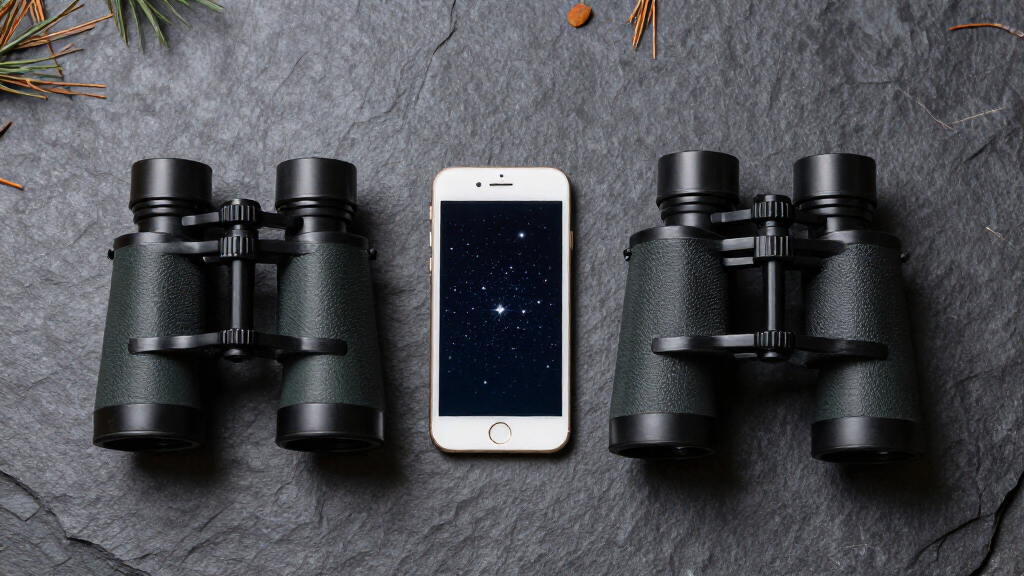
No special equipment is required. A comfortable chair or blanket, and a dark, open sky view, are sufficient. Binoculars are not necessary for meteor viewing.
Source: bluesky
Fall Picks
fall essentials
As an affiliate, we earn on qualifying purchases.