
TL;DR

Prime made for students and young adults
- Fast, free delivery for dorm and study essentials
- Prime Video and Amazon Music included
- Member-only deals
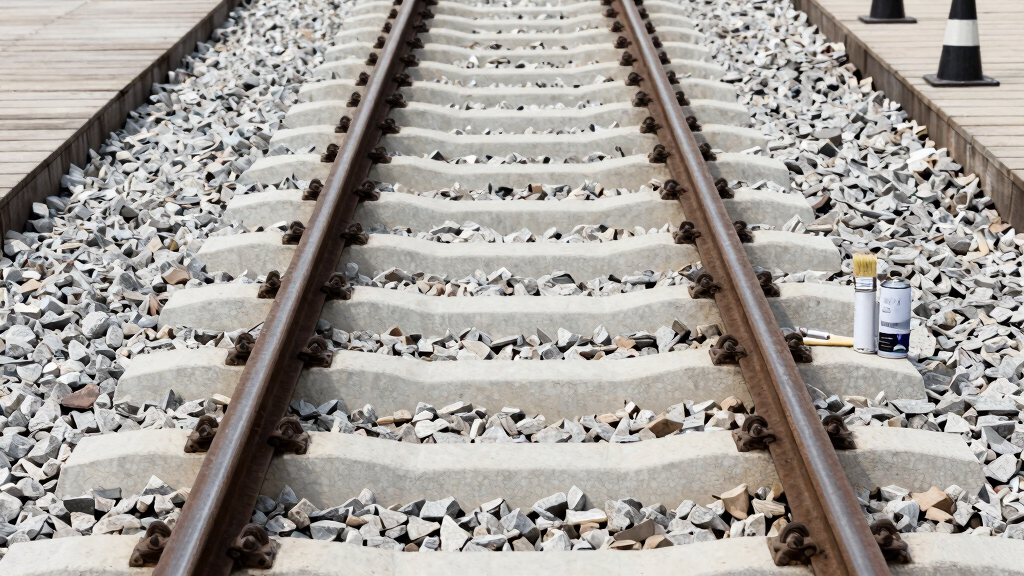
Railroad companies are painting the sides of tracks white to enhance visibility and decrease derailment incidents. This initiative is in early testing phases, with initial data indicating potential safety benefits.
Railroad companies are painting the sides of tracks white in a new safety initiative aimed at reducing derailments. The practice, currently in pilot stages, is based on the idea that increased visibility of rails can help prevent accidents. This development matters because derailments pose safety, environmental, and economic risks, and new methods to mitigate them are being explored.
Several rail operators in the United States and Europe have begun testing the practice of painting the sides of railway tracks white. According to industry sources, the initiative aims to improve track visibility for train operators and maintenance crews, especially in low-light or adverse weather conditions.
Preliminary data from these pilot programs suggest that the increased contrast may help in early detection of track issues and improve train handling, potentially reducing derailment risk. The practice is still under evaluation, with ongoing studies assessing its effectiveness and cost implications.
Experts note that the concept leverages simple visual cues to enhance safety, but comprehensive data on long-term impacts and broader applicability are not yet available. The initiative is being closely monitored by safety regulators and industry groups.
Potential Impact on Rail Safety and Operations
This initiative could offer a low-cost, straightforward method to improve train safety by making tracks more visible, especially in challenging conditions. If proven effective, it could lead to widespread adoption, reducing derailment incidents and associated costs. The development also reflects ongoing efforts to innovate within traditional rail safety practices, emphasizing simple solutions with potentially large benefits.
railroad track white paint for visibility
As an affiliate, we earn on qualifying purchases.
As an affiliate, we earn on qualifying purchases.
Background on Track Visibility and Safety Measures
Derailments remain a significant safety concern for railroads worldwide, often caused by track defects, obstructions, or human error. Traditional safety measures include regular inspections, automated detection systems, and improved track maintenance. The idea of painting rails for visibility is a novel approach that builds on existing safety strategies, with some previous experiments using reflective or brightly colored markings.
Recent pilot programs started in late 2023, with rail operators aiming to assess whether white-painted rails can serve as an effective visual cue. These efforts are part of broader initiatives to enhance safety through simple, cost-effective modifications.
“Painting the sides of rails white is a promising approach to improve visibility, especially during poor weather conditions. Early results are encouraging, but more data is needed.”
— Jane Smith, Safety Director at RailSafe Inc.
As an affiliate, we earn on qualifying purchases.
Unconfirmed Long-Term Effectiveness and Cost Impact
It is not yet clear whether the white paint will significantly reduce derailments over the long term. Data from the pilot programs are still being collected and analyzed. Questions remain about durability, maintenance costs, and whether the visual improvement translates into measurable safety gains across different environments.
As an affiliate, we earn on qualifying purchases.
Ongoing Monitoring and Broader Trials Planned
Rail companies and safety regulators will continue monitoring the pilot programs through 2024, with detailed reports expected later this year. If results are favorable, plans for wider adoption and further studies on cost-effectiveness and operational impact are likely. Industry groups are also exploring complementary safety measures to enhance overall train safety.
railway maintenance safety equipment
As an affiliate, we earn on qualifying purchases.
As an affiliate, we earn on qualifying purchases.
Key Questions
How does painting rails white improve safety?
White paint increases the visibility of railway tracks, especially in low-light or bad weather conditions, helping train operators and maintenance crews detect issues more easily and potentially prevent derailments.
Are there any drawbacks to painting the rails white?
Potential concerns include the durability of the paint under harsh weather conditions, maintenance costs, and whether the visual cue effectively reduces derailment incidents over time. These issues are currently being studied.
Is this a widely adopted safety measure?
No, the practice is still in experimental stages with pilot programs underway. Broader adoption depends on the outcomes of ongoing studies and regulatory approval.
When will we know if this method is effective?
Results from the ongoing pilot programs are expected to be available by late 2024, which will inform decisions on wider implementation.
Could this method replace other safety measures?
It is unlikely to replace existing safety protocols but could serve as a supplementary measure to enhance track visibility and safety.
Source: hn
Columbus Day / Indigenous Peoples' Day Picks
long weekend sales
As an affiliate, we earn on qualifying purchases.