
TL;DR

Prime made for students and young adults
- Fast, free delivery for dorm and study essentials
- Prime Video and Amazon Music included
- Member-only deals
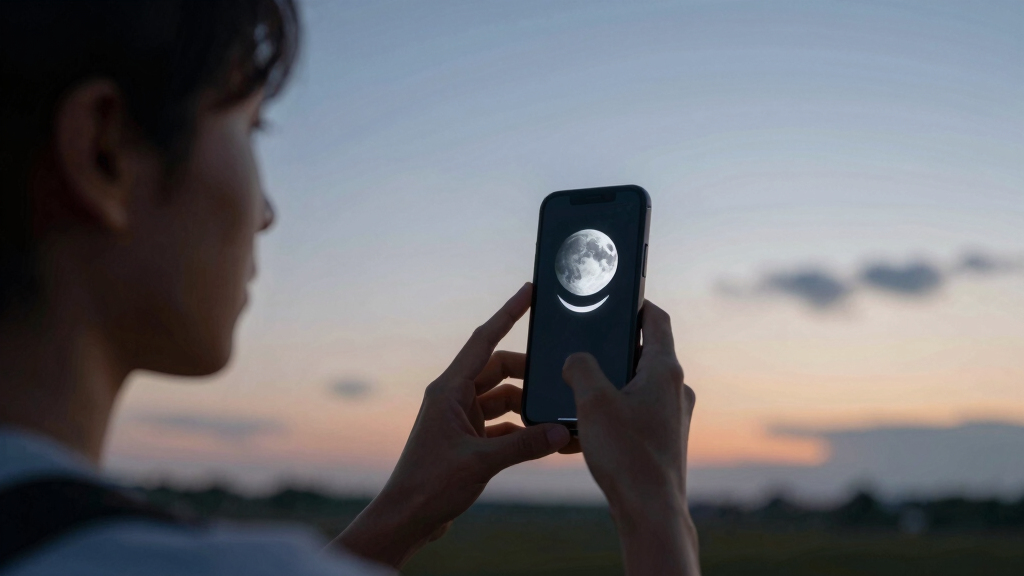
On June 18, the Moon appears in a sickle shape as part of its lunar cycle. This event is visible to skywatchers and highlights specific lunar phases. The significance lies in its cultural and scientific relevance.
On Thursday, June 18, skywatchers around the world can observe the Moon in a distinctive sickle shape, a phase known as the waxing crescent. This specific lunar appearance is part of the Moon’s regular cycle and offers a clear visual cue for astronomers and casual observers alike, emphasizing the ongoing dynamics of our closest celestial neighbor. Learn more about the current moon phase.
The Moon is currently in a waxing crescent phase, with approximately 20% of its surface illuminated. This phase occurs shortly after the new moon and is characterized by a thin, curved sliver of light visible in the western sky after sunset. According to Astronomy Magazine, this shape resembles a sickle or curved blade, hence the description.
The lunar cycle lasts about 29.5 days, and the current phase marks an important step toward the full moon, which will occur later in the month. The specific shape and visibility depend on the observer’s location, but generally, the sickle shape is observable across most populated regions after sunset. Check the moon phase today for more details. The phase is predictable and well-documented by astronomers, with no unusual anomalies reported. For a detailed view of upcoming lunar phases, see This Week’s Sky at a Glance, June 26 – July 5.
Why the Sickled Moon Matters for Skywatchers
This lunar phase offers a visual representation of the Moon’s ongoing orbit around Earth, serving as an accessible and observable marker of lunar cycles. For amateur astronomers and educational programs, the sickle shape provides an opportunity to learn about phases, illumination, and the Moon’s movement. Additionally, many cultures have historically associated specific lunar shapes with festivals, agricultural cycles, or mythological stories, making this a culturally resonant event as well.
From a scientific perspective, tracking lunar phases helps refine models of the Moon’s orbit and illumination patterns. The current phase is also relevant for planning astronomical observations, such as meteor showers or planetary viewing, which depend on moonlight conditions. Overall, the sickle shape is a reminder of the Moon’s rhythmic dance with Earth, observable with the naked eye and appreciated worldwide.
As an affiliate, we earn on qualifying purchases.
Recent Lunar Cycle Developments and Observations
The current lunar cycle began with the new moon on June 8, 2024. Since then, the Moon has been transitioning through its waxing phases, gradually increasing in illumination. The waxing crescent phase, visible today, is a predictable stage that occurs roughly from June 10 to June 25, depending on location. Astronomers have been monitoring the Moon’s position and illumination, confirming the current shape and visibility.
This phase has been consistent with lunar cycle predictions, and no unusual phenomena have been reported. Historically, similar phases have been observed and documented, with the sickle shape being one of the most recognizable lunar features for observers worldwide. The current appearance aligns with standard lunar models, reaffirming our understanding of the Moon’s orbit and illumination patterns.
“The waxing crescent moon today resembles a sickle, a classic shape that marks an important stage in the lunar cycle, visible in the western sky after sunset.”
— Astronomy Magazine
As an affiliate, we earn on qualifying purchases.
Unconfirmed Aspects of the Lunar Phase and Visibility
There are no significant uncertainties reported about the current lunar phase. However, visibility may vary slightly depending on local weather conditions and observer location. No unusual lunar phenomena or anomalies have been documented at this time.As an affiliate, we earn on qualifying purchases.
Upcoming Lunar Phases and Key Observational Events
After June 18, the Moon will continue its waxing phase, approaching the full moon on June 23, 2024. Observers can expect the crescent to thicken and become more prominent in the evening sky. The next major event will be the full moon, which will be visible across most regions, providing additional opportunities for lunar observation and cultural festivities.
Skywatchers are encouraged to track the Moon’s position and illumination through local astronomy groups or apps, which will provide precise timings and viewing tips. No major lunar events are scheduled immediately after this phase, but the ongoing cycle remains a key feature for both scientific observation and cultural appreciation.
As an affiliate, we earn on qualifying purchases.
Key Questions
What causes the sickle shape of the Moon today?
The sickle shape results from the current phase of the Moon, known as the waxing crescent, when only a small, curved portion of the lunar surface is illuminated by the Sun and visible from Earth.
Can I see the sickle-shaped Moon with the naked eye?
Yes, the waxing crescent Moon is easily visible to the naked eye after sunset, especially in clear skies and low light pollution areas.
Why does the Moon change shape during its cycle?
The Moon’s changing shape is due to its orbit around Earth, which causes different portions of its sunlit side to be visible from our perspective.
When is the next full moon after June 18?
The next full moon is expected on June 23, 2024, providing a bright, round lunar appearance in the night sky.
Source: google-trends
Halloween Picks
halloween
As an affiliate, we earn on qualifying purchases.