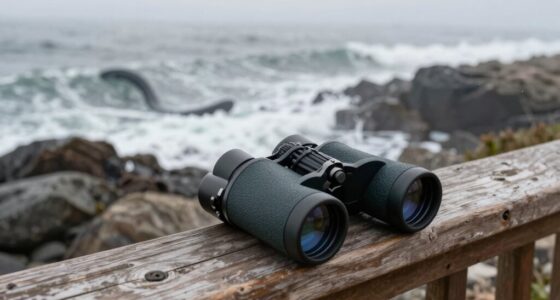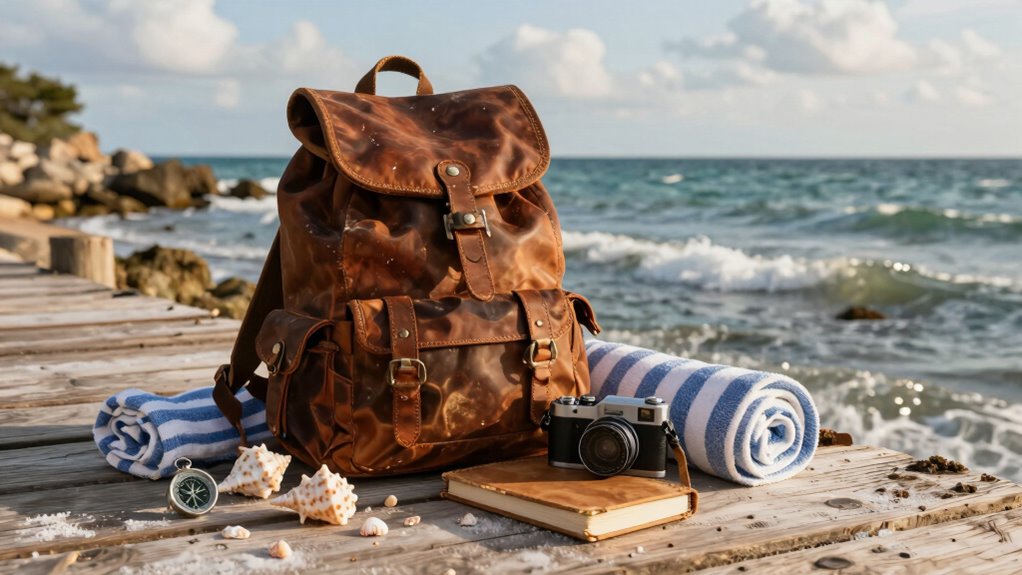

To pack smarter for your Coastal Mystery Sea-Legend fieldwork, organize safety gear like life jackets, first aid kits, and navigation tools in quick-access spots. Bring spare parts, tools, and maintenance supplies carefully stored to prevent delays. Dress in layered, waterproof clothing and sturdy footwear, with waterproof bags for valuables. Use labeled, waterproof containers for gear, and prioritize essentials to stay organized and efficient. Keep exploring to uncover more expert tips for a smooth, safe adventure at sea.

Prime made for students and young adults
- Fast, free delivery for dorm and study essentials
- Prime Video and Amazon Music included
- Member-only deals
Key Takeaways
- Prioritize safety gear like life jackets, communication devices, and navigation tools for quick access and emergency preparedness.
- Organize equipment with waterproof containers and clear labels to ensure rapid retrieval during urgent situations.
- Pack layered, weather-appropriate clothing, including waterproof jackets and sun protection, to adapt to changing conditions.
- Bring spare parts, maintenance tools, and cleaning supplies to prevent equipment failure and ensure smooth fieldwork.
- Balance essential gear with minimal clutter by planning organized packing strategies for efficient access and safety.

Beginning fieldwork with Sea-Legend requires careful preparation to guarantee you’re ready for any situation at sea. One of the most important aspects is ensuring you have everything you need to maintain marine safety and equipment maintenance. When packing for a coastal mystery trip, your goal is to strike a balance between being thoroughly prepared and avoiding unnecessary clutter. Start by making a checklist of essential gear: life jackets, first aid kits, communication devices, and navigation tools. These items are critical for safety and should be easily accessible. You don’t want to waste time searching for a life jacket if an emergency arises, so pack them in a designated, quick-reach spot.
Prioritize safety essentials like life jackets and first aid kits, keeping them accessible for quick response at sea.
Next, focus on your equipment maintenance supplies. Bring along spare parts, tools, and cleaning materials specific to your vessel’s needs. Regular maintenance prevents equipment failure, which could jeopardize your safety or delay your mission. Keep items like lubricants, replacement fuses, and sealants organized in a portable kit. It’s smart to double-check all your gear before departure, verifying that everything is in working order. Proper equipment maintenance isn’t just about preventing breakdowns—it’s about ensuring marine safety for everyone onboard. Additionally, understanding the importance of marine safety protocols can make a significant difference in emergency situations. Familiarizing yourself with these protocols ahead of time can help you respond more effectively if needed. Incorporating safety procedures into your planning ensures a quicker, more confident response in critical moments.
When packing clothing, think layers. Coastal weather can be unpredictable—sun, wind, rain, or chill—so pack waterproof jackets, warm layers, and sun protection. Don’t forget sturdy, non-slip footwear, essential for both safety and comfort when moving around the vessel. It’s tempting to overpack, but focus on versatile clothing that can adapt to changing conditions. Also, bring a waterproof bag or dry box for electronics and valuable items. Keeping your gear dry and functional is a key part of marine safety. Remember, weather patterns can shift quickly at sea, so staying prepared for sudden changes is crucial. Incorporating proper storage techniques helps prevent damage to your gear and keeps your safety equipment ready for use.
Finally, organize your packing to maximize efficiency. Use waterproof containers for sensitive equipment, and label everything clearly. This simplifies quick access during emergencies and helps you stay organized during the trip. Good packing habits, including effective organization strategies, contribute significantly to overall marine safety—reducing the risk of accidents caused by misplaced gear or malfunctioning equipment. By preparing thoughtfully and prioritizing safety and maintenance, you’ll be equipped to handle whatever the sea throws your way. With the right gear packed smartly, your coastal mystery trip will be safer, smoother, and more enjoyable from start to finish.
As an affiliate, we earn on qualifying purchases.
Frequently Asked Questions
What Should I Do if I Forget Essential Gear?
If you forget essential gear, don’t panic. First, check if there’s an emergency kit or backup supplies nearby—many field sites have them. If not, see if you can borrow from fellow travelers or local resources. Prioritize important items like your phone, flashlight, or any safety gear. Planning ahead by knowing what’s available on-site can save you when you forget something vital.
How Can I Prevent Seasickness During Fieldwork?
To prevent seasickness during fieldwork, you can wear acupressure wristbands, which apply gentle pressure to key points and help reduce nausea. Additionally, taking ginger supplements before and during your trip can soothe your stomach. Stay hydrated, focus on the horizon, and avoid heavy, greasy foods. These strategies work together to keep you comfortable, so you can concentrate on your research without seasickness interfering.
Are There Specific Clothing Requirements for Different Weather?
Yes, there are specific clothing requirements for different weather conditions. You should prioritize weather preparedness by packing layers and moisture-wicking fabrics to handle variable coastal climates. Clothing versatility is key—bring along waterproof jackets, warm sweaters, and sun-protective gear. This way, you can adjust easily to sudden weather changes, stay comfortable, and be ready for anything the coast throws your way during your fieldwork adventures.
What Are the Safety Measures for Working Near the Water?
Sure, because working near water is just a walk in the park, right? You should always prioritize water safety by wearing life jackets, staying alert, and avoiding risky areas. Keep emergency preparedness kits handy, and know how to perform basic water rescues. Remember, staying calm and following safety protocols can make all the difference—because even in paradise, accidents happen, and it’s better to be prepared than sorry.
How Do I Manage Waste and Environmental Impact?
You manage waste and environmental impact by practicing eco-friendly disposal, ensuring you don’t leave harmful materials behind. Prioritize waste reduction by bringing reusable containers, utensils, and bags to minimize single-use plastics. Always pack out what you pack in, and dispose of waste responsibly in designated areas. Being mindful of your footprint helps protect coastal ecosystems and preserves the natural beauty for future fieldwork adventures.
waterproof dry bags for electronics
As an affiliate, we earn on qualifying purchases.
As an affiliate, we earn on qualifying purchases.
Conclusion
Now that you know how to pack smarter for sea-legend fieldwork, you’re ready to embrace the adventure. Pack light but prepared, organized but flexible, essentials but thoughtful. Keep your gear accessible, your clothing versatile, and your mind open to surprises. With these tips, you’ll navigate the coast with confidence, conquer the unknown, and uncover the mysteries of the sea. Remember, smart packing turns exploration into an experience, and preparation into discovery. Happy sailing and fieldworking!
compact first aid kits for boating
As an affiliate, we earn on qualifying purchases.
As an affiliate, we earn on qualifying purchases.
As an affiliate, we earn on qualifying purchases.
Fall Picks
fall essentials
As an affiliate, we earn on qualifying purchases.