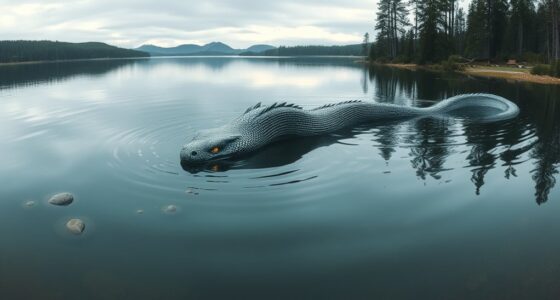
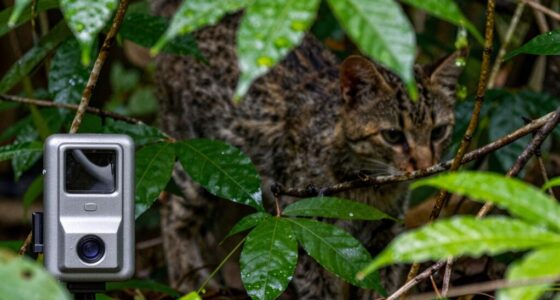
If you’re capturing cryptids in rugged outdoor settings, a DSLR offers durability, longer battery life, and fast autofocus, making it reliable in tough conditions. However, a mirrorless camera is lighter, more discreet, and has advanced features that help in low light. Both have pros and cons, but your choice depends on your environment and style. Want to discover which gear best fits your cryptid hunts? Keep exploring to find out more.

Prime made for students and young adults
- Fast, free delivery for dorm and study essentials
- Prime Video and Amazon Music included
- Member-only deals
Key Takeaways
- Mirrorless cameras are more portable and discreet, ideal for navigating dense environments and avoiding disturbance during cryptid encounters.
- DSLRs typically offer superior low-light autofocus, crucial for capturing elusive cryptids in unpredictable lighting conditions.
- Modern mirrorless lenses now match or surpass DSLR durability, suitable for rugged outdoor adventures.
- Battery life favors DSLRs for extended outings; however, newer mirrorless models have improved power efficiency.
- Weather sealing and sensor technology are essential for outdoor conditions, influencing gear choice based on environment.

When it comes to capturing elusive cryptids in the wild, choosing the right camera can make all the difference. Whether you lean toward a DSLR or a mirrorless camera, understanding their strengths and weaknesses helps you get the shots you’re after. For cryptid hunters, durability and reliability are crucial. Lens durability matters because you’ll often be out in rugged environments. You need lenses that can withstand dust, moisture, and rough handling without compromising image quality. Many mirrorless and DSLR lenses are built tough, but DSLRs generally have a slight edge because of their larger, more robust construction. Still, some high-end mirrorless lenses now match or even surpass DSLR durability, so it’s worth investing in quality glass.
Choosing rugged, durable lenses is essential for capturing cryptids in unpredictable, wild environments.
Battery life is another critical factor. When you’re out in the field, hours can pass without a chance to recharge. DSLR cameras traditionally excel here, offering longer battery life due to their optical viewfinders, which consume less power. Mirrorless cameras rely on electronic viewfinders and LCD screens, which drain batteries faster. If you plan long hunts or overnight excursions, a DSLR might keep you shooting longer between charges. However, some newer mirrorless models have made significant improvements, offering better battery efficiency than earlier versions. Still, carrying spare batteries is a smart move regardless of your choice. Additionally, choosing a camera with weather sealing can be vital to withstand unpredictable conditions in the field. Incorporating durability standards into your gear selection can further ensure your equipment withstands the rigors of outdoor cryptid hunting. Moreover, understanding the sensor technology can help you capture clearer images in challenging lighting conditions often encountered in the wild. It’s also helpful to familiarize yourself with field testing techniques to evaluate your gear’s performance before heading out. Furthermore, researching latest innovations in camera technology can provide advantages in capturing fleeting or elusive subjects.
Both camera types have their advantages when it comes to capturing cryptids. Mirrorless cameras are typically more compact and lighter, making them easier to carry through dense forests or along rugged trails. Their smaller size allows for more discreet photography, which can be essential when you’re trying not to spook your subject. DSLRs, on the other hand, often provide superior autofocus systems, especially in low light, which can be the difference between catching a fleeting glimpse or missing it altogether. Their optical viewfinders give a real-time, lag-free view, allowing you to respond quickly to movement.
Ultimately, the decision boils down to your specific needs and environment. If you prioritize battery life and ruggedness, a DSLR might serve you best. If portability, silent operation, and cutting-edge features matter more, a mirrorless camera could be the way to go. Either way, investing in quality lenses with durable construction ensures you’re ready for unpredictable conditions. Remember, the key to cryptid photography isn’t just the camera itself but how well you adapt to the wild and the gear you choose to carry along.
DSLR camera for outdoor photography
As an affiliate, we earn on qualifying purchases.
As an affiliate, we earn on qualifying purchases.
Frequently Asked Questions
Which Camera Type Is More Durable in Rugged Outdoor Conditions?
You’ll find that DSLR cameras tend to be more durable in rugged outdoor conditions due to their robust construction. They often have a more substantial weight, which can help absorb shocks, and their lens compatibility tends to be broader, making them versatile for tough environments. Mirrorless cameras are lighter, but some models may lack the same level of ruggedness. So, if durability is your priority, a DSLR might be the better choice.
How Do Autofocus Speeds Compare Between DSLR and Mirrorless for Cryptid Shots?
You’ll find that mirrorless cameras generally have faster autofocus speeds for cryptid shots because of their advanced sensor technology and cutting-edge autofocus algorithms. Their on-sensor phase detection allows quicker focus acquisition, especially in low-light or unpredictable conditions. DSLR autofocus can be slower due to mirror movement, but some models still perform well. Overall, for rapid, accurate focus in elusive cryptid photography, mirrorless cameras tend to excel.
Are Mirrorless Cameras Better for Stealthy Cryptid Observation?
Yes, mirrorless cameras are generally better for stealthy cryptid observation. Their smaller, lighter design offers improved camera ergonomics, making it easier to blend into the surroundings. Plus, their silent shooting modes minimize noise, allowing you to capture elusive moments discreetly. With lens versatility and quick handling, mirrorless cameras help you stay agile and unobtrusive, increasing your chances of observing cryptids without disturbing their natural environment.
What Are the Battery Life Differences in the Field?
Mirrorless cameras generally have shorter battery longevity compared to DSLRs because their advanced features and electronic viewfinders consume more power. In the field, you’ll need to manage power carefully, using effective power management strategies like turning off unnecessary functions or carrying spare batteries. To maximize your cryptid observation time, choose a camera with good battery life or plan to carry extra charged batteries, especially during extended outings.
Do Mirrorless Cameras Offer Better Low-Light Performance for Cryptid Hunting?
Yes, mirrorless cameras generally offer better low-light performance for cryptid hunting. Their sensors tend to have higher sensitivity, allowing you to capture clearer images in dim conditions. Additionally, advanced noise reduction technology helps minimize graininess, giving you sharper, more detailed shots even at higher ISO settings. This makes mirrorless cameras more effective for spotting elusive cryptids in challenging lighting, helping you capture the moment with greater clarity and confidence.
mirrorless camera with weather sealing
As an affiliate, we earn on qualifying purchases.
As an affiliate, we earn on qualifying purchases.
Conclusion
In the wild chase for cryptids, your camera is your loyal steed, ready to capture fleeting shadows in the mist. Whether you choose the sturdy, traditional DSLR or the sleek, agile mirrorless, remember that your skill and patience are the true magic. Like a seasoned hunter, trust your gear, stay sharp, and keep your eyes peeled. Ultimately, it’s your passion and persistence that will turn elusive whispers into tangible proof, illuminating the shadows where secrets dwell.
rugged lens for wildlife photography
As an affiliate, we earn on qualifying purchases.
As an affiliate, we earn on qualifying purchases.
long battery life camera for field use
As an affiliate, we earn on qualifying purchases.
As an affiliate, we earn on qualifying purchases.
Halloween Picks
halloween
As an affiliate, we earn on qualifying purchases.