
Scientific analysis confirms that the Dyatlov Pass incident was caused by a natural avalanche triggered by snowpack instability and temperature fluctuations. Rising temperatures weaken snow layers, creating weak points that can suddenly collapse, especially with additional external stressors. Features at the site, like pattern of accumulated snow and absence of violence signs, support this explanation. If you keep exploring, you’ll discover more detailed insights into how these natural factors led to such a mysterious tragedy.
Open a free Amazon Business account
Business pricing, bulk buying and tax-exempt orders.
As an affiliate, we earn on qualifying purchases.
Key Takeaways
- Temperature fluctuations weaken snowpack layers, increasing the risk of natural avalanches in the Dyatlov Pass area.
- Weak snow layers formed beneath denser snow due to internal structural changes caused by heat transfer.
- External factors like warming spells and additional snowfall likely triggered the avalanche event.
- Physical evidence at the site aligns with a sudden snowslide rather than supernatural or human causes.
- Scientific analysis supports an avalanche explanation based on snowpack stability, environmental conditions, and thermal dynamics.
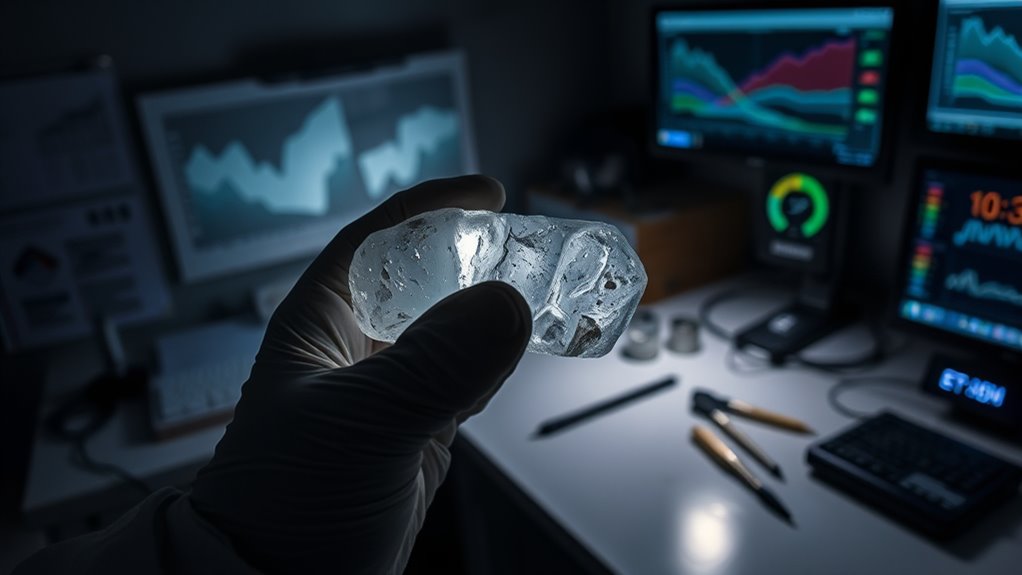
The Dyatlov Pass incident has long fascinated investigators and enthusiasts alike, with many theories attempting to explain the mysterious deaths of nine hikers in 1959. One prominent scientific explanation centers on an avalanche, which involves understanding thermal dynamics and snowpack stability. When considering this theory, you need to grasp how temperature variations influence snow conditions and the likelihood of an avalanche occurring. As temperatures fluctuate, especially in late winter or early spring, the snowpack’s internal structure changes. Cold, dry snow tends to be stable, but when exposed to rising temperatures—say, from sunlight or a sudden warm spell—the snowpack can become less stable. You see, thermal dynamics dictate how heat moves through the snow, weakening the bonds between snow layers and increasing the risk of a slab avalanche.
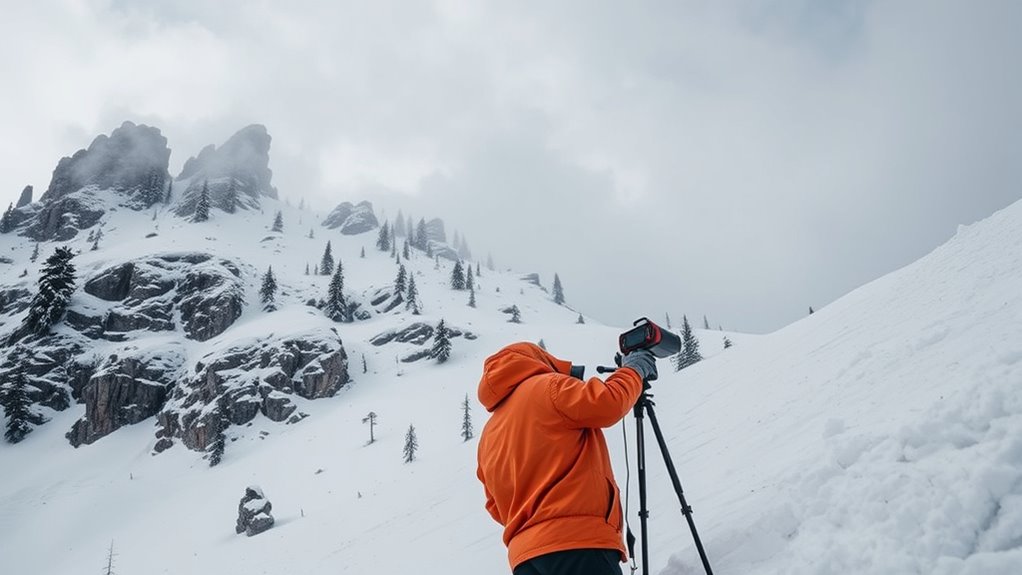
The stability of the snowpack is vital here. If the snow layers are well-bonded, the chances of an avalanche decrease. But when a weak layer forms beneath a denser snow layer, it creates a potential failure point. In the case of the Dyatlov hikers, evidence suggests that the snowpack might have been marginally stable, with a weak layer forming due to temperature changes. This weak layer could have been triggered by external factors, such as a sudden rise in temperature or additional weight from new snowfall. As thermal dynamics cause the snowpack to warm and cool, stress accumulates, and the weak layer becomes more susceptible to failure. Understanding snowpack layer formation is crucial for assessing avalanche risk, especially in conditions similar to those at the Dyatlov site.
You can think of it like a deck of cards: if the cards are evenly stacked and firmly connected, it’s stable. But remove some support or introduce a sudden jolt, and the whole structure collapses. Similarly, a destabilized snowpack can suddenly slide, especially if the weak layer is near the surface. Once an avalanche starts, it can generate enough force to throw hikers into the air or trap them under debris. The behavior of the snowpack, governed by thermal dynamics and stability factors, aligns with the physical evidence found at the site, such as the pattern of snow accumulation and the absence of other signs of violence.
In essence, understanding how thermal dynamics influence snowpack stability helps clarify how an avalanche could have been initiated in such conditions. It’s a natural process driven by temperature changes, snow properties, and environmental factors—factors that, when combined, could explain the tragic fate of the Dyatlov hikers without invoking more supernatural or mysterious causes.

BCA Backcountry Access T4 Turbo Avalanche Beacon Kit Rescue Package – Includes the Tracker 4 Transceiver, 300 Centimeter Avalanche Probe, and Shovel with Saw.
- Complete Rescue Package: Includes beacon, probe, and shovel with saw
- High-End Avalanche Beacon: Tracker 4 with batteries and harness included
- Accurate Snow Search Tool: 300 cm Stealth avalanche probe
As an affiliate, we earn on qualifying purchases.
As an affiliate, we earn on qualifying purchases.
Frequently Asked Questions
Were There Any Signs of a Previous Avalanche at the Site?
You’ll find no clear evidence of previous avalanches at the site, but signs of terrain instability indicators and historical avalanche signs are present in the area. These suggest the terrain may be prone to avalanches, but no direct, conclusive signs point to a prior event. The landscape’s features hint at potential instability, yet definitive signs of a past avalanche remain elusive, leaving some questions about the area’s avalanche history unanswered.
How Do Weather Patterns Correlate With Avalanche Occurrences?
You see, weather patterns directly influence avalanche risk, especially with climate change impacting snowpack stability. For example, a sudden warm spell followed by heavy snowfall can weaken snow layers, triggering avalanches. These patterns often align with historical events, highlighting how fluctuating temperatures and precipitation contribute to instability. By understanding these correlations, you can better predict when conditions are most dangerous, helping prevent future tragedies.
What Safety Measures Are Used in Avalanche-Prone Areas?
In avalanche-prone areas, you should focus on ensuring snowpack stability and implementing avalanche mitigation measures. You can do this by regularly evaluating snowpack conditions, using controlled explosions or snow fences to prevent buildup, and staying updated on weather forecasts. Always carry essential safety gear like beacons, shovels, and probes, and follow established protocols to minimize risk. These steps help protect you and others from potential avalanche hazards.
Could Human Activity Have Triggered the Avalanche?
Yes, human activity could have triggered the avalanche. When you disturb the environment—such as cutting into snow or making loud noises—you increase the risk of environmental disturbance, which can destabilize the snowpack. In areas prone to avalanches, even small actions like setting up camp or traveling can trigger a slide. Consequently, being cautious and minimizing environmental disturbance is essential to prevent human-induced avalanches.
Are There Any Modern Technologies to Predict Avalanches Accurately?
Yes, modern technologies like remote sensing and seismic monitoring markedly improve avalanche prediction. Remote sensing uses satellites and drones to monitor snowpack conditions and detect potential instability. Seismic monitoring detects early signs of ground movement, helping authorities assess avalanche risks in real time. These tools are increasingly accurate, but unpredictability remains due to complex weather and terrain factors. So, while technology advances, complete certainty still isn’t guaranteed.
As an affiliate, we earn on qualifying purchases.
Conclusion
You can’t ignore the overwhelming evidence—an avalanche might seem simple, but it’s more like a cosmic event with the power to wipe out an entire expedition in seconds. The scientific analysis shows that this natural disaster was not just a cause; it was an unstoppable force of nature, more terrifying than any mystery or conspiracy. In the end, the Dyatlov Pass avalanche theory isn’t just plausible; it’s the most jaw-dropping, earth-shaking explanation of all.

Terrawest Core 240 Avalanche Probe
- Quick Lock Mechanism: Fast locking for emergency use
- Lightweight and Strong: Made from durable aluminium 7075 T6
- High Rigidity Tension Cord: Coated steel cord with limited stretch
As an affiliate, we earn on qualifying purchases.
As an affiliate, we earn on qualifying purchases.

Infrared Thermometer for Cooking, Gedaye Surface Laser Temperature Gun with Laser Pointer 13:1, Metal Probe, Adjustable Emissivity, -58℉ to 1562℉, Thermal Thermometer Gun for Pizza Oven Engine HVAC
- 13:1 Distance Ratio: Accurate readings from a safe distance
- Wide Temperature Range: -58℉ to 1562℉ measurement
- High Accuracy: +/-2.0% for IR, +/-1.5% for probes
As an affiliate, we earn on qualifying purchases.
As an affiliate, we earn on qualifying purchases.
Flea & tick season Picks
flea and tick prevention
As an affiliate, we earn on qualifying purchases.