Celtic Fae, or Irish fairies, come in many forms with distinct roles. You might encounter mischievous leprechauns guarding gold, benevolent fairy queens ruling enchanted domains, or ominous banshees signaling death. These beings act as nature guardians, tricksters, or teachers, embodying Ireland’s mystical heritage. Their stories reveal lessons about respect, humility, and the unseen world around you. To uncover more about their fascinating roles and types, explore what lies beyond this glimpse.

Prime made for students and young adults
- Fast, free delivery for dorm and study essentials
- Prime Video and Amazon Music included
- Member-only deals
Key Takeaways
- Irish fairies include banshees, leprechauns, and fairy queens, each with unique roles and characteristics.
- Banshees serve as death omens, wailing before a person’s passing.
- Leprechauns are mischievous, solitary spirits guarding pots of gold.
- Fairy queens like Queen Maeve rule realms with grace and authority.
- Fairies act as protectors, tricksters, and custodians of nature and ancient knowledge.

Have you ever wondered about the mystical beings known as Celtic Fae? These enchanting entities are deeply woven into Irish fairy folklore, capturing imaginations for centuries. As mythological beings, Celtic Fae come in many forms, each with unique roles and characteristics that reflect the rich cultural tapestry of Ireland. You might picture them as tiny, shimmering creatures who dance in moonlit glades, or as elegant, elusive spirits that inhabit ancient hills and forests. Their stories have been passed down through generations, shaping local legends and beliefs about the unseen world that exists alongside your own.
In Irish fairy folklore, the Fae are often seen as guardians of nature, embodying the spirits of the land, water, and air. Some are benevolent, offering blessings or aid when approached with respect, while others can be mischievous or even dangerous if offended. These mythological beings are believed to live in hidden places—such as fairy mounds, underground realms, or enchanted forests—where they maintain their own society, separate yet interconnected with the human world. As a result, many tales warn travelers to tread carefully near these spots, lest they attract unwanted attention from the Fae or become lost in their mysterious domain.
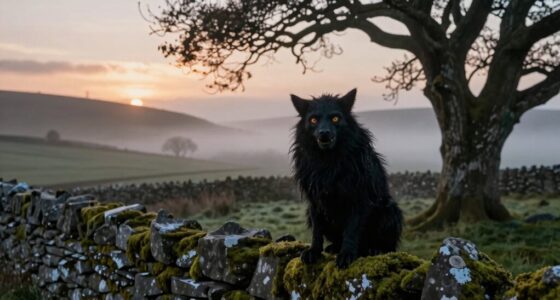
Among the most well-known types of Irish fairies are the banshees, who serve as omens of death, and the leprechauns, cunning little sprites guarding hidden pots of gold. The banshee, a spectral woman or hag, is said to wail when someone is about to die, acting as a messenger from the otherworld. Leprechauns, on the other hand, are mischievous but solitary beings who love trickery and possess great wealth. Then there are the fairy queens, like Queen Maeve, who rule over their realms with grace and authority, often involved in legendary battles or romances that shape Irish mythology.
The roles these mythological beings play are as varied as their forms. Some serve as protectors of sacred spaces, while others are tricksters or custodians of ancient knowledge. Their stories often carry lessons about respecting nature, honoring tradition, or exercising caution in the unseen world. Whether they’re helping humans find lost items or warning against hubris, Celtic Fae embody the mysterious spirit of Irish fairy folklore. As you explore their tales, you realize that these beings aren’t just figments of imagination but essential symbols of Ireland’s cultural history—living echoes of a time when myth and reality intertwined seamlessly.
Frequently Asked Questions
Are Celtic Fae Dangerous to Humans?
Celtic Fae can be dangerous to humans, especially if you unknowingly offend them. They’re known for Fae mischief, which can cause minor annoyances or serious trouble. Sometimes, they display Fae hostility, reacting defensively if their space is invaded or their rules are broken. To stay safe, it’s best to respect their presence and avoid provoking them, as their actions can sometimes be unpredictable or harmful.
How Can I Identify a Celtic Fae in Real Life?
Identifying a Celtic fae is like spotting a flicker of light in the woods. You look for subtle folklore clues—glowing eyes, unusual laughter, or a sudden quietness. Fae sightings often involve glimpses of shimmering figures or misplaced objects. Keep an eye out for small, intricate details in nature or unexpected encounters. Trust your instincts, but remember, fae can be tricky, blending seamlessly into their mystical surroundings.
Do Celtic Fae Have Specific Symbols or Signs?
Celtic fae often have specific symbols or signs like fairy markings and mystical symbols that can reveal their presence. You might notice intricate patterns on natural objects or subtle glowing symbols that seem to appear unexpectedly. These markings are believed to be signs of fae activity or protection. Keep an eye out for shimmering symbols on trees, stones, or even in the air, as they often serve as signs of Celtic fae nearby.
Are Celtic Fae Involved in Irish Folklore Stories?
Yes, Celtic Fae are involved in Irish folklore stories. You’ll find fairy encounters woven into legends, often highlighting their role in shaping local traditions. These stories originate from folklore origins that emphasize their mysterious, magical presence. When you explore Irish tales, you’ll notice the Fae’s influence, from mischievous sprites to guardian spirits, enriching the cultural tapestry and offering insight into ancient beliefs about nature and the supernatural.
Can Celtic Fae Grant Wishes or Perform Magic?
Imagine stumbling upon a shimmering fairy ring—like finding a secret door to wish fulfillment. Celtic Fae are known for their magical abilities, and some can grant wishes, but not without a price. They’re mischievous and unpredictable, often testing your intentions. While they can perform magic, it’s wise to approach with respect, because their powers can bring blessings or mischief, depending on how you ask.
Conclusion
As you venture into the world of Celtic Fae, remember they’re like the whispers of the ancient woods—mysterious yet integral to Ireland’s magic. Just as the legends of King Arthur or the tales of the Irish sidhe endure, these fairies remind you that enchantment exists all around if you’re willing to look. Embrace their stories, and you’ll find that the boundary between myth and reality blurs, inviting you to believe in the extraordinary.
Halloween Picks
halloween
As an affiliate, we earn on qualifying purchases.