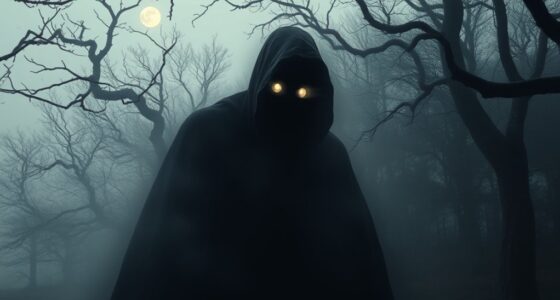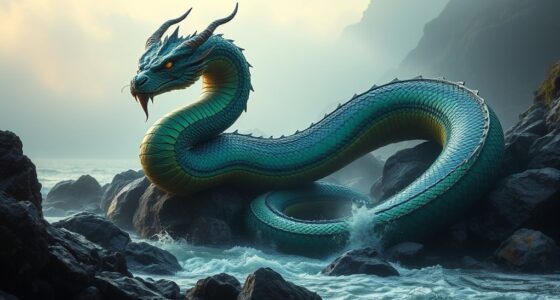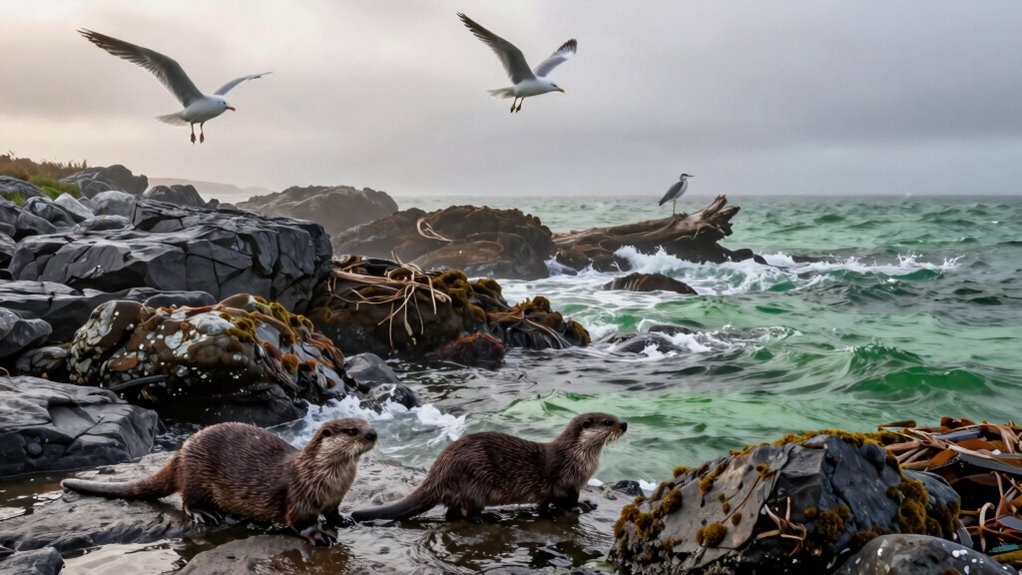

You’ll find many Irish creatures at the land-water edge because these crossing zones offer rich resources, shelter, and access to both aquatic and terrestrial environments. These habitats support diverse species and promote their survival, as they provide food and safe spaces. Additionally, Irish folklore celebrates these creatures’ unique connection to these boundaries, emphasizing their mystical and ecological importance. Keep exploring to discover more about how these habitats shape Ireland’s incredible wildlife and legends.

Prime made for students and young adults
- Fast, free delivery for dorm and study essentials
- Prime Video and Amazon Music included
- Member-only deals
Key Takeaways
- Transitional zones like estuaries and marshlands provide abundant food and shelter for diverse species.
- These edge habitats support both terrestrial and aquatic resources, facilitating creature adaptation.
- Irish folklore emphasizes the mystical significance of land-water beings, reflecting their ecological importance.
- Such habitats serve as migration corridors, promoting biodiversity and ecosystem health.
- Cultural stories and conservation efforts highlight the ecological and spiritual value of land-water boundary creatures.
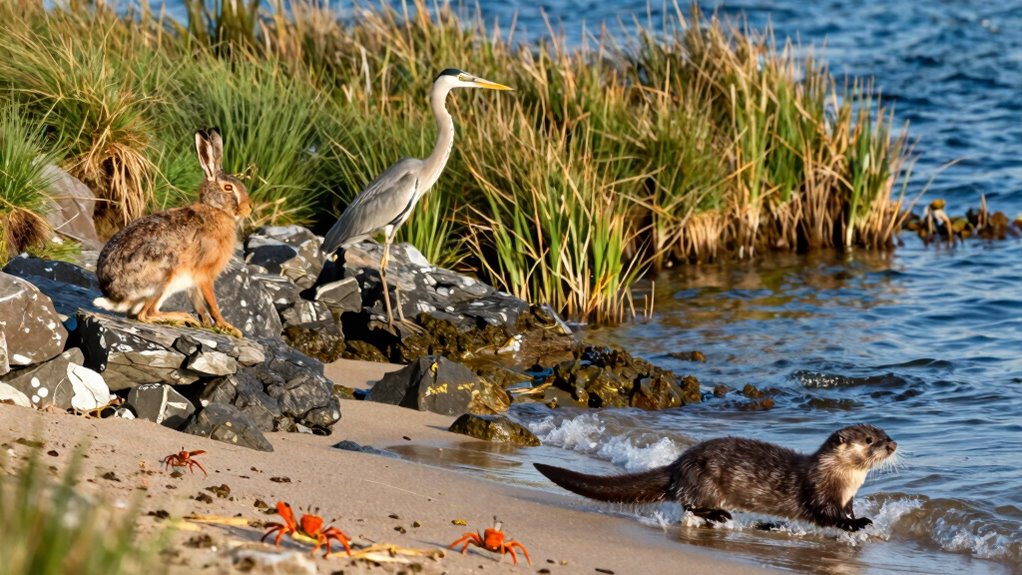
Have you ever wondered why many Irish creatures thrive both on land and in water? It’s a fascinating question that ties into Ireland’s rich mythical legends and ongoing conservation efforts. Throughout history, Irish folklore has celebrated beings that exist at the boundary of land and water, from selkies to water horses. These stories aren’t just myth; they reflect a deep understanding of Ireland’s unique landscape and its ecosystems. Over time, these legends have helped shape a cultural appreciation for the creatures living at these transitional zones, emphasizing their importance and mystique. Today, conservation efforts continue to protect these species, recognizing how vital they are to Ireland’s natural heritage and the stories that have defined its identity.
Irish folklore celebrates creatures at land-water boundaries, blending myth and nature in Ireland’s rich cultural landscape.
The reason many Irish creatures live at this border between land and water is rooted in evolution and habitat diversity. These transitional zones, like marshlands, estuaries, and lakeshores, provide abundant food sources and shelter, making them ideal for survival. Creatures such as otters, newts, and various bird species thrive here because they can access both terrestrial and aquatic resources. Their ability to adapt to these environments has not only helped them survive but also allowed them to flourish, creating a vibrant tapestry of life that’s integral to Ireland’s ecosystems. Their presence, in turn, supports the balance of these habitats, ensuring biodiversity remains robust. This habitat diversity also fosters species adaptation**, which is essential for their long-term survival. Recognizing the ecological significance of these transitional zones highlights the importance of conserving wetland habitats and maintaining their health. It’s also worth noting that these zones are often among the most biodiverse areas, providing opportunities for scientific research and ecological understanding. In addition, these habitats often serve as crucial migration corridors for many species, further emphasizing their ecological importance. Recognizing the ecological role of transitional zones** can inspire more effective conservation strategies.
Moreover, Ireland’s environment has historically fostered a close connection between humans and nature, which is reflected in the way these creatures are woven into local myths and legends. Mythical legends have often portrayed these animals as mystical beings, embodying qualities of transformation, protection, and wisdom. These stories encouraged communities to respect and protect the creatures living at the land-water interface. Today, conservation efforts build on this cultural heritage by promoting awareness and safeguarding habitats. They emphasize the importance of maintaining healthy ecosystems so that future generations can continue to enjoy the rich diversity of Irish wildlife.
In essence, the coexistence of land and water environments in Ireland creates a perfect habitat for many species. Their ability to live at this junction benefits their survival and enriches Irish folklore. The legends celebrate their mysterious and resilient nature, inspiring ongoing conservation efforts. By protecting these creatures and their habitats, Ireland preserves not just its natural beauty but also its cultural history. So, when you think about why so many Irish creatures live at the edge of land and water, it’s a story of adaptation, myth, and a collective effort to sustain a land rich in both natural and cultural treasures.
As an affiliate, we earn on qualifying purchases.
Frequently Asked Questions
How Do Irish Creatures Adapt to Changing Water Levels?
You see Irish creatures adapt to changing water levels by evolving behaviors and physical traits. Marine flora adjust their growth patterns, thriving at different depths, while coastal predators move closer to shore or deeper waters as needed. These creatures also develop sturdy shells or flexible bodies to withstand shifts. This adaptability helps them survive, ensuring they can capitalize on available resources despite fluctuating water levels.
Are Irish Edge Habitats Protected by Environmental Laws?
Yes, Irish edge habitats are protected by environmental laws focusing on marine biodiversity and coastal conservation. These laws aim to safeguard essential ecosystems, including wetlands, estuaries, and shoreline areas, where many Irish creatures thrive. By enforcing regulations and establishing protected zones, authorities help maintain the delicate balance of these habitats, ensuring the survival of diverse species and supporting healthy, resilient coastal environments for future generations.
What Are the Main Threats to Irish Creatures at Land-Water Interfaces?
Imagine crossing a fragile bridge between worlds—your journey faces storms like freshwater pollution and coastal erosion. These are the main threats to Irish creatures at land-water interfaces. Freshwater ecosystems suffer from invasive species and nutrient overloads, while coastal erosion gradually wears away habitats. You must act swiftly, protecting these essential zones, or risk losing the rich diversity that thrives where land and water meet.
How Do Irish Creatures Communicate Across Land and Water?
You see, Irish creatures communicate across land and water through a mix of sounds, gestures, and even mythical legends. Folklore tales tell of enchanted beings using secret signals or magical voices that carry over distances. Some animals, like otters or waterfowl, use calls that travel across the interface, while legends speak of supernatural creatures communicating through whispers or mystical signs, blending reality with myth in their unique ways.
Are There Specific Seasons When Irish Creatures Migrate or Are Most Active?
You’ll notice Irish creatures exhibit distinct seasonal behaviors, with many migrating during spring and autumn. For example, over 80% of migratory bird species in Ireland travel these seasons to breeding or wintering grounds. These migration patterns are driven by food availability and climate changes. During summer, you’ll see increased activity, especially among amphibians and insects, as they breed and feed. Seasonal shifts truly influence their movement and behavior throughout the year.
estuary wildlife guidebook Ireland
As an affiliate, we earn on qualifying purchases.
As an affiliate, we earn on qualifying purchases.
Conclusion
So, as you stand at the water’s edge, imagine Irish creatures as daring explorers on a tiny, shifting island. They thrive where land and water meet, like sailors steering through a delicate balance between two worlds. This unique position isn’t just a coincidence — it’s where survival becomes an art. By living at this crossroads, they show you how nature’s harmony is built on adaptability, blending the best of both domains into a vibrant, living tapestry.
marshland bird watching binoculars
As an affiliate, we earn on qualifying purchases.
As an affiliate, we earn on qualifying purchases.
mythical Irish creature figurines
As an affiliate, we earn on qualifying purchases.
As an affiliate, we earn on qualifying purchases.
Fall Picks
fall essentials
As an affiliate, we earn on qualifying purchases.