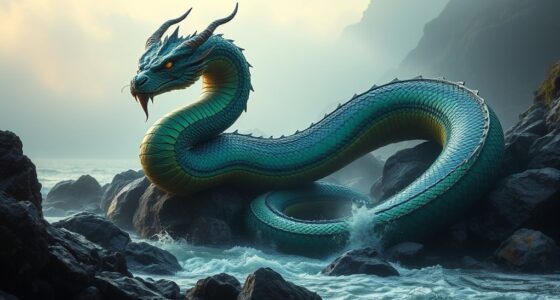
Irish folktales show that the Puca’s playful side varies by region, often involving mischievous tricks, shape-shifting into animals, and clever antics. Sometimes seen as a helpful guardian, other times as a trickster leading travelers astray, stories reflect local customs and beliefs. Festivals, seasonal celebrations, and community traditions shape how people view the Puca’s mischief. If you explore further, you’ll discover even more fascinating variations of this whimsical folklore.
Key Takeaways
- Puca stories often depict playful tricks, shape-shifting into animals or objects for harmless or cunning pranks.
- Variations highlight regional differences in the Puca’s mischievous behavior and intentions, from benevolent guardian to trickster.
- Tales frequently involve fairy transformations, linking the Puca to broader Irish fairy lore and natural phenomena explanations.
- Local customs and festivals influence how communities perceive and interact with the Puca, including offerings and rituals.
- Folktale themes intertwine Puca mischief with societal values, emphasizing cleverness, caution, and regional cultural identity.
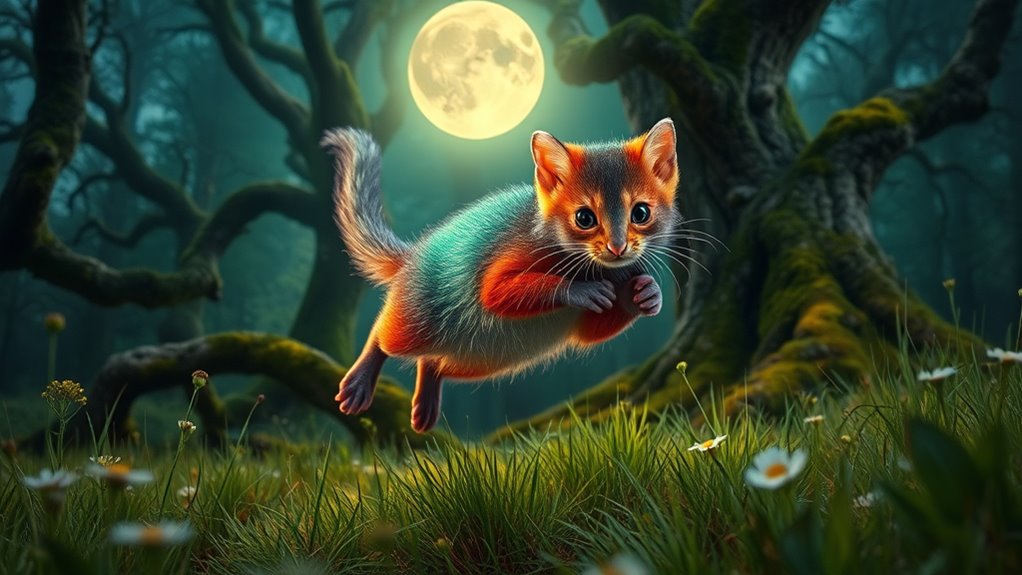
Have you ever wondered how Irish folktales vary from one region to another? The stories of the Puca, Ireland’s mischievous shape-shifter, showcase a rich tapestry of local flavors and traditions. In some areas, the Puca is known for its playful tricks, often taking the form of animals or objects to surprise and delight—or sometimes scare—those who cross its path. These tales emphasize the Puca’s mischievous nature, highlighting how its antics can range from harmless pranks to more cunning schemes. In certain regions, the Puca’s mischief is so well-loved that communities tell stories about its clever antics during festivals or seasonal celebrations, reinforcing its role as both a trickster and a guardian of local customs.
Another fascinating variation involves fairy transformations, which often link to the Puca’s shape-shifting abilities. In some parts of Ireland, stories focus on fairies transforming into animals—like horses, goats, or cats—to interact with humans or to escape danger. These fairy transformations are sometimes intertwined with Puca tales, blurring the lines between the two, as the Puca itself is sometimes described as a fairy or a fairy spirit. These stories often serve to explain natural phenomena or to warn about the dangers of wandering too far into the woods at night, where the fairy world overlaps with our own. The way these tales are told varies from place to place, with some communities emphasizing the Puca’s playful side, encouraging children to stay cautious, while others focus on its more mysterious or even benevolent aspects.
Regional differences also influence how people perceive the Puca’s intentions. In certain areas, the Puca is seen as a benevolent guardian who rewards those who treat it well, while in others, it’s a trickster who enjoys leading travelers astray. These variations shape local customs and superstitions, influencing how communities celebrate or avoid encounters with the Puca. You might find that in some villages, people leave small offerings or perform rituals to appease the Puca, hoping to receive its favor or avoid its pranks. Meanwhile, stories about leprechaun mischief, a closely related figure, often reflect regional attitudes towards wealth and cleverness, further illustrating the diversity of Irish folktale traditions. Additionally, some regions incorporate cultural heritage into their storytelling, preserving unique local versions of Puca tales that highlight regional values and beliefs.

Irish Fairy Tales and Folklore
As an affiliate, we earn on qualifying purchases.
As an affiliate, we earn on qualifying purchases.
Frequently Asked Questions
Are Pucas Considered Benevolent or Mischievous Spirits?
You’ll find that pucas are both mischievous and benevolent spirits, depending on their behavior classifications. They can be playful tricksters or helpful guardians, reflecting their complex cultural significance in Irish folklore. Their mischievous side often involves pranks, but they’re also believed to bring good luck and protection if treated respectfully. Understanding their dual nature helps you appreciate their role in Irish stories and traditions.
How Do Puca Stories Differ Across Irish Regions?
You’ll find that puca stories differ across Irish regions, each with its own flavor in regional storytelling and dialectal variations. In the West, tales emphasize their mischievous nature, while in the North, stories highlight their benevolence. These regional differences shape how people view the puca; you might see them as tricksters or helpful spirits, depending on local traditions. It’s like comparing apples and oranges, each region adding its unique twist.
What Symbols Are Commonly Associated With Pucas?
You’ll notice that fairy motifs and animal symbols are commonly associated with pucas. Fairy motifs often depict them as mischievous spirits or shape-shifters, emphasizing their magical nature. Animal symbols, like horses, goats, and dogs, represent their connection to the natural world and their playful, unpredictable behavior. These symbols highlight the pucas’ dual nature—both whimsical and wild—making them mesmerizing figures in Irish folklore.
Do Pucas Appear in Modern Irish Literature?
You’ll find pucas in modern Irish literature, where they embody both mischief and mystery. Authors use these creatures to explore cultural significance, blending age-old folklore with contemporary storytelling. Their playful yet unpredictable nature adds depth, creating a mesmerizing contrast with modern themes. Through these adaptations, pucas continue to enchant, reminding us of Ireland’s rich heritage while resonating with today’s readers.
Are Pucas Related to Other Celtic Mythological Creatures?
Yes, pucas are related to other Celtic shapeshifters and Irish fairy kin. You’ll find that they share traits like changing forms and mischievous behavior with creatures like the Irish banshee or the Welsh pobog. These Celtic shapeshifters often blur lines between human and supernatural worlds, embodying the playful and unpredictable nature of Irish fairy kin. Their similarities highlight a common Celtic mythological tradition of shape-shifting, trickery, and enchantment.
Puca shape-shifting figurine
As an affiliate, we earn on qualifying purchases.
As an affiliate, we earn on qualifying purchases.
Conclusion
As you delve into the playful world of the puca, you’ll discover a creature more mischievous than a thousand trickster spirits combined. Each variation reveals a new layer of Irish folklore’s rich tapestry, inviting you to see the magic in everyday life. Embrace the puca’s wild spirit, for its stories are so enchanting, they could turn your world upside down faster than you can say “bag of tricks.” Let its playful mischief inspire your own adventures!

Great Irish Myths & Legends (Collectible Myths and Legends)
As an affiliate, we earn on qualifying purchases.
As an affiliate, we earn on qualifying purchases.

St. Patrick's Day Decoration Lucky Frog Plush Toy | Cute Green Stuffed Animal with Four-Leaf Clover & Fingers Crossed Good Luck Charm Gift for Kids & Adults | Soft Squishy Irish Holiday Decor Pillow
The Ultimate "Good Luck" Charm: Double your luck this St. Patrick's Day! This adorable green frog isn't just…
As an affiliate, we earn on qualifying purchases.
As an affiliate, we earn on qualifying purchases.