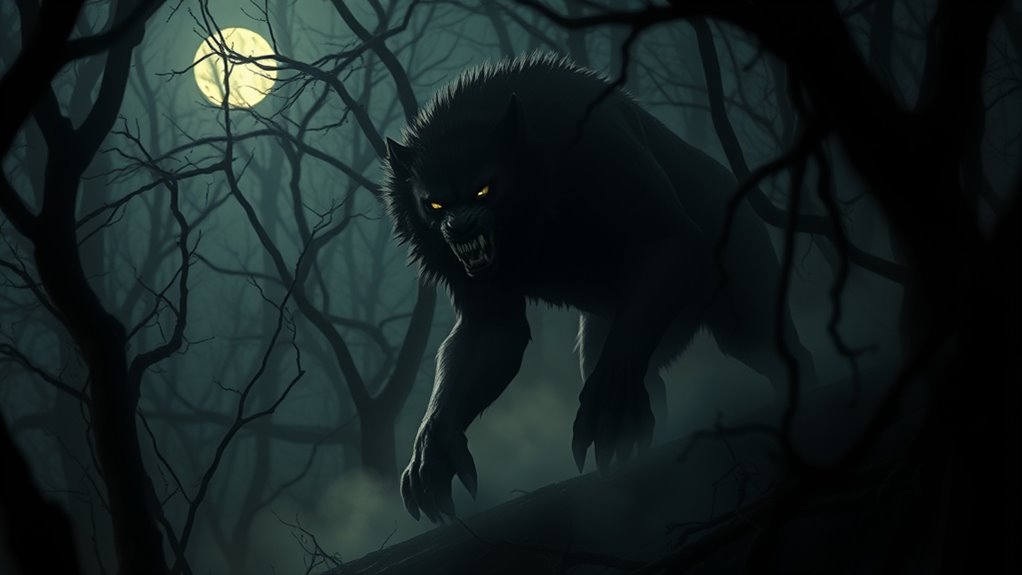

The legend of the Beast of Gévaudan has greatly shaped film and literature, blending myth, history, and cultural fears. Films often depict the beast as supernatural or monstrous, emphasizing themes of chaos and societal threats. Literature explores these themes, highlighting humanity’s struggle against nature and the unknown. Adaptations range from horror to historical drama, reflecting evolving societal anxieties. If you keep exploring, you’ll discover how this legendary creature continues to inspire stories that question reality and myth alike.

Get school and study supplies delivered free — and shop member deals
- Fast, free delivery on millions of items
- Access to Prime Big Deal Days deals on October 6–7
- Prime Video, Amazon Music and more included
Key Takeaways
- Films and literature often depict the Beast as a supernatural or demon-like creature, emphasizing mythic qualities.
- Adaptations explore themes of societal fear, chaos, and the struggle between humanity and nature.
- Many stories portray the beast as an evil predator, reflecting contemporary fears and moral lessons.
- Artistic representations range from historical hunts to fantastical portrayals emphasizing myth vs. reality.
- The legend’s flexibility allows reinterpretation across generations, maintaining its cultural relevance and symbolic power.
The Beast of Gévaudan has captured imaginations for centuries, inspiring countless stories in film and literature. Its legend blurs the lines between myth and history, creating a compelling narrative that continues to fascinate. Many people believe the creature was a supernatural beast, a demon, or a wolf gone rogue, but historical accounts suggest it was a real animal or a series of animals responsible for a series of brutal attacks in 18th-century France. This ambiguity fuels the myth vs history debate, making the creature a symbol of fear and mystery. Over time, tales have been exaggerated, transformed, and romanticized, transforming a historical event into a cultural phenomenon. The story’s cultural impact is profound, influencing art, literature, and popular culture, and shaping the way societies perceive fear, the wilderness, and the unknown. Additionally, the legend has been depicted using various visual storytelling methods, from paintings to cinematic effects, to evoke different emotional responses.
In film and literature, the Beast’s story has been adapted in numerous ways, often emphasizing the mythic qualities of the creature. Some stories portray it as an evil, almost supernatural predator, reflecting fears of the unknown and the chaos lurking beyond civilization’s borders. Others explore the historical aspects, depicting the hunts and the social tensions of the time. These adaptations serve to both entertain and explore deeper themes—humanity’s struggle against nature, the thin line between myth and reality, and the societal fears that can be projected onto a mysterious beast. The cultural impact of these stories is evident, as they often mirror contemporary anxieties about otherness, danger, and the limits of human understanding.
You might notice how the myth vs history aspect influences these portrayals, with filmmakers and writers choosing to emphasize certain elements to evoke emotion or convey moral messages. The legend’s power lies in its ability to be reshaped, allowing each generation to interpret it anew. This flexibility helps keep the story alive, ensuring it remains relevant in modern media. Whether depicted as a monstrous creature, a misunderstood animal, or a symbol of chaos, the Beast’s story resonates because it taps into universal fears and curiosities. Its cultural impact is undeniable, serving as both a cautionary tale and a reflection of societal fears. As you explore these stories, you’ll see how they continue to shape perspectives on myth, history, and the enduring mystery of the unknown, cementing the Beast of Gévaudan as a lasting legend in film and literature.
Beast of Gévaudan horror film DVD
As an affiliate, we earn on qualifying purchases.
As an affiliate, we earn on qualifying purchases.
Frequently Asked Questions
What Are the Most Accurate Historical Accounts of the Beast?
You should focus on the most accurate historical accounts by examining the available historical documentation and eyewitness testimonies. These sources provide direct insights into the Beast’s behaviors and the events during the attacks. While some details may be debated, credible reports from the period help you understand what was believed about the creature at the time, offering a more factual perspective than fictionalized portrayals.
How Has the Legend Influenced Regional Culture in Gévaudan?
The legend deeply influences regional culture in Gévaudan by preserving local traditions, such as storytelling festivals and folklore celebrations that celebrate the beast’s myth. You’ll find it shaping tourist attractions, like museums and guided tours, which draw visitors enthusiastic to explore the legend’s history. This enduring story fosters community pride and keeps the mysterious creature alive in local consciousness, making Gévaudan a mesmerizing destination rooted in its legendary past.
Are There Any Modern Sightings or Reports of Similar Creatures?
You might wonder if modern cryptid sightings echo the terror of the Beast of Gévaudan. Occasionally, reports surface—shadowy figures prowling at night or eerie howls in the distance—prompting modern investigations. These sightings paint a vivid picture of lurking fears, as if the beast’s legend still whispers through the dark forests. While evidence remains elusive, the stories keep the legend alive, fueling curiosity and the thrill of the unknown.
What Symbolism Does the Beast Represent in French Folklore?
You see, the beast symbolizes more than just a terrifying creature; it embodies mythical symbolism and cultural significance in French folklore. It represents chaos, primal fears, and the struggle between civilization and nature. People interpret it as a reflection of societal fears, moral lessons, or even a symbol of the wild, untamed aspects of humanity. Its myth persists because it taps into deep-seated fears and cultural narratives.
Have Any Scientific Studies Conclusively Identified the Beast?
Do you wonder if science has ever truly solved the mystery? Scientific skepticism remains strong, as no conclusive studies have identified the Beast of Gévaudan. While cryptid theories suggest it could be a rare animal or a misunderstood creature, evidence remains elusive. So, until solid proof emerges, the Beast stays an unresolved legend, fueling curiosity and fears that persist across centuries.
mythical creature literature collection
As an affiliate, we earn on qualifying purchases.
As an affiliate, we earn on qualifying purchases.
Conclusion
As you explore the legend of the Beast of Gévaudan in film and literature, you realize it’s more than just a story — it’s a mirror of our fears and fascination with the unknown. These tales keep the legend alive, proving that some stories never truly fade away. So, when you plunge into these works, remember, the beast may be gone, but its shadow still lingers, reminding you that history often repeats itself when you least expect it.
historical monster movie Blu-ray
As an affiliate, we earn on qualifying purchases.
As an affiliate, we earn on qualifying purchases.
As an affiliate, we earn on qualifying purchases.
Fall Picks
fall essentials
As an affiliate, we earn on qualifying purchases.