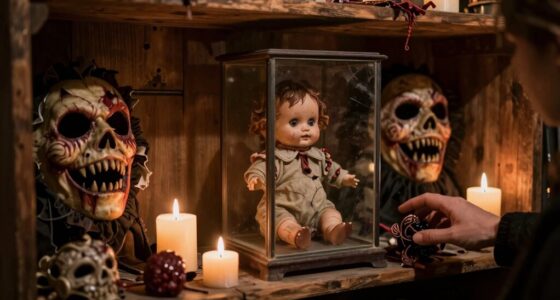
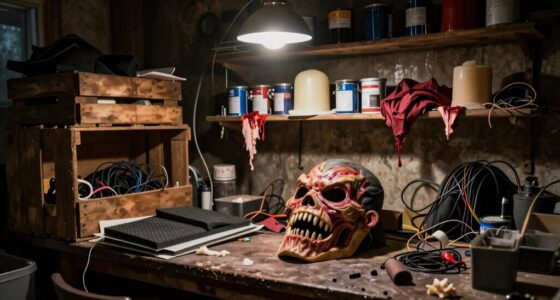
In monster economics, big corporations craft and market fictional creatures to boost sales and build loyalty. They design monsters to be visually “wow” and emotionally engaging, tapping into fears, fantasies, or nostalgia. They also create immersive habitats that make these monsters believable and relatable, increasing fan investment. These environments are carefully planned to maximize merchandising opportunities, turning fictional worlds into powerful business assets. If you keep exploring, you’ll discover how strategic designs drive billions in revenue.
Key Takeaways
- Corporations create and market visually appealing monsters to drive merchandise sales and foster brand loyalty.
- Strategic monster design appeals to specific consumer segments by tapping into fears, fantasies, or nostalgia.
- Detailed habitats enhance storytelling, increase fan engagement, and expand merchandising opportunities.
- Habitat design influences consumer perception and reinforces brand loyalty, boosting overall market reach.
- Behind-the-scenes design choices are driven by cultural trends and audience preferences to maximize economic impact.

Monster Economics
Have you ever wondered how giant corporations wield such enormous economic influence? “Monster Economics” explores the forces behind these corporate giants, revealing how their strategies shape markets, influence governments, and impact everyday lives. One of the most fascinating aspects of their power lies in how they masterfully craft and market their fictional creatures, turning them into lucrative commodities. When it comes to monster design, these companies invest heavily to create compelling, memorable creatures that resonate with audiences. They focus on making monsters visually striking, emotionally engaging, and culturally relevant, knowing that a well-designed creature can drive merchandise sales and brand loyalty. Every detail, from the creature’s form to its unique traits, is carefully crafted to appeal to specific segments, ensuring a broad consumer base. These designs aren’t random; they’re strategic tools that tap into collective fears, fantasies, or nostalgia, which fuels demand across multiple markets.
Equally important is the creation of creature habitats, which serve as the immersive worlds where these monsters thrive. These habitats are more than just backdrops—they’re carefully constructed ecosystems that enhance the storytelling and deepen consumer engagement. By developing detailed environments, corporations make their monsters more believable and relatable, encouraging fans to invest emotionally and financially. Think of the lush jungles, desolate wastelands, or high-tech laboratories that become integral parts of these creatures’ identities. These habitats also drive merchandising opportunities, from themed toys to clothing and virtual experiences, making the monsters feel alive and tangible. The design of habitats influences how consumers perceive the creatures’ role in their universe, reinforcing brand loyalty and expanding market reach. Additionally, some companies study regional divorce statistics and local legal resources to better understand how to position their franchises for maximum market penetration in different areas.
Behind the scenes, monster design and habitat development are strategic business moves. They’re optimized to maximize consumer appeal and sales, ensuring that each creature and its environment serve a specific marketing purpose. Companies analyze trends, cultural shifts, and audience preferences to keep their monsters relevant and desirable. This careful planning transforms fictional monsters into powerful economic assets, fueling merchandising strategies that generate billions of dollars. As a consumer, you might not realize how much thought goes into each creature’s look or habitat, but these elements are essential to the commercial success of monster franchises. In essence, monster design and creature habitats are tools of economic influence—crafted with precision to captivate audiences and drive corporate profits in a competitive global marketplace.

KRSEUB Singing Monsters Toys Mini Action Figure Playset, 13pcs
- Family Fun: Brings joy to the whole family
- Safe Material: Made with PVC for safety
- Age Suitable: Suitable for ages 6 and up
As an affiliate, we earn on qualifying purchases.
As an affiliate, we earn on qualifying purchases.
Frequently Asked Questions
How Do Monster Merchandising Rights Impact Local Economies?
Monster licensing and retail distribution boost local economies by creating jobs in manufacturing, marketing, and retail. When you support monster merchandising rights, you’re helping local businesses thrive as they produce and sell licensed products. This increased activity can lead to more tax revenue and infrastructure development. Your purchases stimulate demand, encouraging growth in related sectors, and help communities benefit from the popularity of these creatures through increased economic opportunities.
What Are the Ethical Concerns in Monster Merchandising Practices?
Imagine walking through a toy aisle where vibrant monsters beckon, but beneath the colorful exterior, you worry about ethical concerns. You might unknowingly support copyright infringement or exploitation concerns, fueling unfair practices. These practices can harm creators’ rights and exploit vulnerable workers. As a consumer, you have the power to demand transparency, ensuring that merchandising respects intellectual property and treats everyone involved ethically, fostering a fairer monster economy.
How Do Cultural Differences Influence Monster Merchandise Popularity?
You’ll notice that cultural differences greatly influence monster merchandise popularity. Cultural symbolism shapes how certain monsters are perceived, making them more appealing in some regions. Regional preferences also play a role; for example, a monster’s design or story might resonate more with local traditions or beliefs. By understanding these factors, you can target your merchandise more effectively, ensuring it appeals to diverse audiences and boosts sales across different markets.
What Are the Environmental Impacts of Manufacturing Monster Products?
You might think monster merchandise is harmless fun, but behind the scenes, its environmental impacts are significant. Manufacturing often relies on unsustainable practices, yet choosing sustainable manufacturing and eco-friendly materials can drastically reduce harm. By making conscious choices, you help lessen pollution, conserve resources, and promote green production methods. The real suspense lies in whether the industry will embrace these eco-friendly shifts or continue to overlook their environmental responsibilities.
How Do Digital Marketplaces Affect Monster Merchandise Sales?
Digital marketplaces boost your monster merchandise sales by providing virtual storefronts that reach a global audience easily. You can leverage digital licensing to expand your product range without physical inventory costs. These platforms make it simple to showcase your monsters, attract new customers, and increase revenue. You also gain valuable data insights, helping you tailor your offerings. Overall, digital marketplaces streamline sales processes and open up new opportunities for your monster merchandise.

Super7 Reaction+ Universal Monsters Creature from the Black Lagoon – 3.75" Creature from the Black Lagoon Action Figure – Classic Horror Movie Collectibles and Retro Toys
- Character: Creature from the Black Lagoon
- Scale: 3.75-inch tall figure
- Design: Inspired by 1954 film
As an affiliate, we earn on qualifying purchases.
As an affiliate, we earn on qualifying purchases.
Conclusion
In the world of monster merchandising, you might be surprised to learn that the global market is expected to reach $25 billion by 2025. This shows just how powerful these creatures are in driving economic growth and consumer engagement. As you explore this fascinating industry, remember that behind every toy and costume lies a complex web of marketing and cultural influence. Embrace the monsters—you’re part of a booming economic phenomenon that’s only getting bigger.

Monster Jam Smash & Bash Crash Course Playset with Launcher, Exclusive 1:64 Scale Monster Truck, 16-inch Obstacle Tower with Trampoline, Kids Toys for Boy and Girls Ages 3 and up
- Epic Crash Course: Launch truck through obstacle tower
- High-Flying Launcher Stunts: Blast trucks at goal posts
- Versatile Play Options: Jump trampoline or bash obstacles
As an affiliate, we earn on qualifying purchases.
As an affiliate, we earn on qualifying purchases.

Singing Monsters Plush Collectible Figurine – 9.4 Inch Soft Monster Plushie Sculpture for Adult Collectors, Desk Decor & Gift
- Premium Handcrafted Plush: High-quality, ultra-soft plush with detailed stitching
- Ideal for Home & Office: Enhances shelves, desks, and display cabinets
- Safe & Durable Materials: Hypoallergenic filling, surface wipeable for easy cleaning
As an affiliate, we earn on qualifying purchases.
As an affiliate, we earn on qualifying purchases.