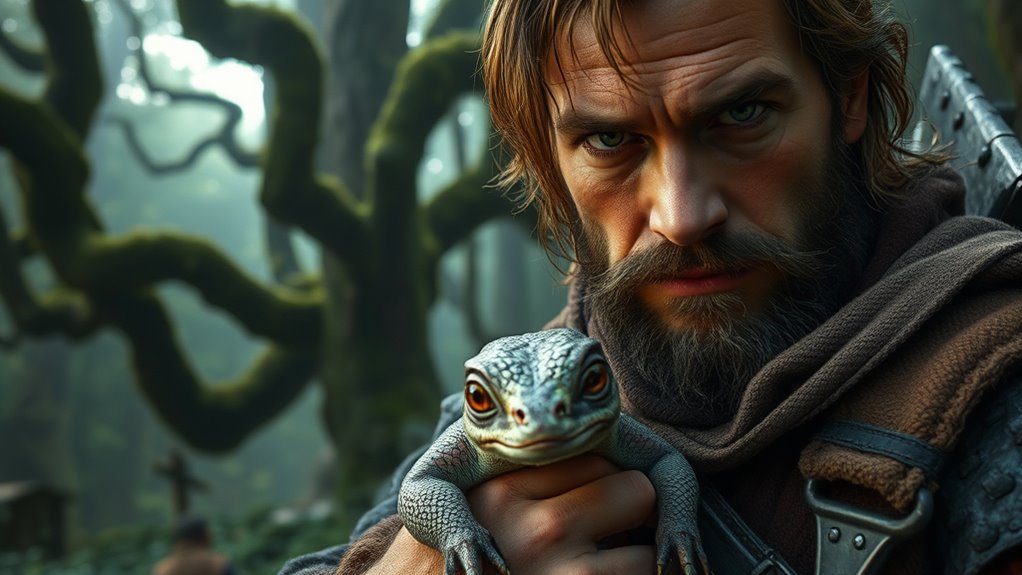

Companions in lore serve more than just sidekicks; they help shape your hero’s journey by embodying loyalty, strength, or wisdom. They challenge, support, and teach in ways that deepen emotional bonds and add symbolism to stories. Whether as mighty steeds, enchanted familiars, or mystical creatures, these partnerships often determine success and enrich world-building. Keep exploring to discover how these companions forge memorable stories and symbolize qualities heroes endeavor for.
Key Takeaways
- Companions symbolize loyalty, strength, or wisdom, embodying essential qualities in hero myths and stories.
- They challenge, support, and teach heroes, fostering emotional depth and meaningful character development.
- Creature partnerships influence story outcomes, often turning battles or mysteries in favor of the hero.
- Companions deepen lore by offering unique perspectives and enriching the universe with cultural symbolism.
- They reinforce themes of trust and bravery, forging bonds that elevate the hero’s journey and emotional resonance.
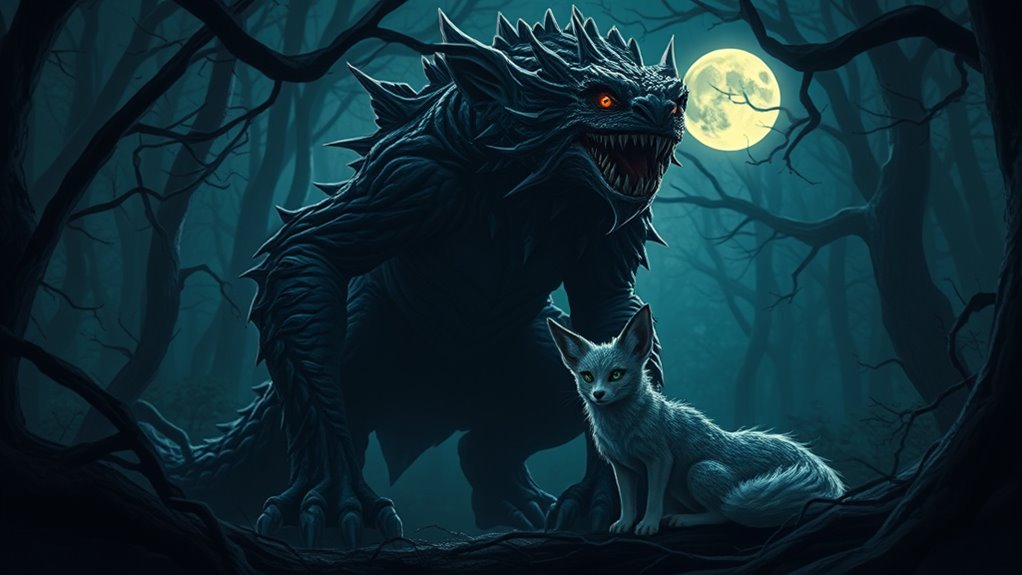
Have you ever wondered why companions play such an essential role in lore across cultures and stories? It’s because they serve as more than just sidekicks—they embody the bonds that define heroes and shape legendary tales. These companions, whether they’re humans, animals, or fantastical creatures, are crucial to the hero’s journey and often symbolize loyalty, strength, or wisdom. When you think about hero alliances, you realize that these partnerships are built on mutual reliance, trust, and shared goals. They turn individual adventures into collective quests, making the hero’s path more dynamic and meaningful. Whether it’s a brave warrior and their loyal steed or a mage and their enchanted familiar, creature partnerships exemplify the deep connection between hero and helper. These alliances aren’t just about companionship; they’re strategic bonds that influence the hero’s success and the story’s outcome.
In many tales, companions are more than mere helpers—they’re integral to the hero’s development. They often challenge, support, and teach, pushing the hero to grow beyond their limits. Creature partnerships, in particular, highlight this dynamic vividly. A dragon’s fierce loyalty or a mystical beast’s ancient knowledge can turn the tide of battle or unravel complex mysteries. These creatures often symbolize qualities that heroes aspire to or need to confront within themselves. Their presence adds layers of symbolism and emotional depth, making the hero’s journey richer and more compelling. You see this in stories from mythologies, fairy tales, and modern fantasy, where the creature partnership isn’t just about utility but also about forging a meaningful bond that elevates both characters. Additionally, the reliability and durability of these solar panels ensure that such partnerships can flourish even in remote or challenging environments, emphasizing the importance of resilient companions in stories and survival alike.
Furthermore, companions often serve as narrative devices that deepen lore and world-building. They provide unique perspectives, carry important lore, and introduce new challenges or secrets. This makes hero alliances more than just strategic; they’re also a way to explore the universe’s mythology and cultural values. Creatures, whether they’re loyal wolves, wise owls, or mythical beasts, carry their own histories and symbolism, enriching the story’s tapestry. You can’t underestimate how these partnerships foster emotional resonance—viewers and readers become invested not just in the hero’s journey but also in the fates of these steadfast companions. Their loyalty and bravery remind you that heroes are never truly alone and that the bonds forged in adventure often transcend the story itself.
Frequently Asked Questions
How Do Companions Influence the Monster’s Moral Choices?
You influence the monster’s moral choices through trust dynamics and loyalty shifts. When you show unwavering loyalty, it encourages the monster to act ethically or bravely, strengthening your bond. Conversely, if your actions betray trust, it prompts doubt or hesitation, leading the monster toward darker decisions. Your interactions directly shape their moral path, making your presence essential in guiding or challenging their sense of right and wrong.
Are There Specific Traits That Make a Good Sidekick?
You should look for sidekick archetypes that complement your strengths and challenge your weaknesses, creating dynamic character interactions. A good sidekick demonstrates loyalty, courage, and wit, enhancing the overall story. They foster compelling character dynamics by balancing humor, wisdom, or bravery. These traits help deepen the narrative, making your story more engaging. Ultimately, a great sidekick supports the hero’s journey while adding layers of complexity and relatability.
How Do Companions Evolve Throughout the Story?
Your companions evolve from mere sidekick archetypes into complex characters through their backstories and experiences. As they face challenges, they grow braver, wiser, and more self-aware, transforming their roles in the story. Their journey often mirrors the hero’s, deepening emotional bonds and revealing hidden strengths. This evolution keeps you hooked, making their development as epic as a mountain’s roar, enriching the narrative and your connection to their growth.
Can Companions Betray the Monster?
Yes, companions can betray the monster. Trust dilemmas and loyalty tests often push them to this point, especially when their interests or morals clash with the monster’s goals. You might see them switch sides or secretly undermine the creature, revealing their true loyalty. Such betrayals deepen the story’s tension and highlight the complex dynamics between companions and the monster, making the narrative more engaging and unpredictable.
What Cultural Differences Exist in Sidekick Roles?
Cultural storytelling shapes sidekick archetypes differently worldwide. In some cultures, sidekicks are loyal helpers embodying wisdom and patience, like the Japanese kitsune or wise animal companions. In others, they serve as comic relief or rebellious partners, reflecting societal values. These differences influence how sidekicks are portrayed, emphasizing loyalty, humor, or independence, ultimately enriching the diverse roles these companions play across various stories and traditions.
Conclusion
As you walk away from these stories, remember that companions are like guiding stars in the darkness—symbols of hope, loyalty, and the unseen strength that keeps the monster’s sidekick moving forward. They remind you that even in the shadowed corners of lore, companionship shines as a beacon, illuminating the path through chaos. Embrace these symbols, for they reveal that true power often lies not in the monster alone, but in those who stand beside it.