In literature, monsters have evolved from mere symbols of chaos and evil into complex characters that explore morality, cultural fears, and more. You’ll see them reflect human desires, moral dilemmas, and societal anxieties, challenging simplistic views of good and evil. These transformations make monsters more than frightful figures—they become mirrors for introspection and social critique. If you keep exploring, you’ll uncover how these nuanced portrayals deepen our understanding of human nature and morality.

Prime made for students and young adults
- Fast, free delivery for dorm and study essentials
- Prime Video and Amazon Music included
- Member-only deals
Key Takeaways
- Literature portrays monsters evolving from symbols of chaos to complex characters with moral depth.
- Monsters reflect societal fears, cultural values, and contemporary anxieties through symbolic representations.
- They are depicted with human qualities, emphasizing moral ambiguity and internal conflicts.
- Literature challenges societal norms by blurring boundaries between human and inhuman, prompting critical reflection.
- Modern works use monster symbolism to explore current social issues and moral dilemmas, maintaining relevance.
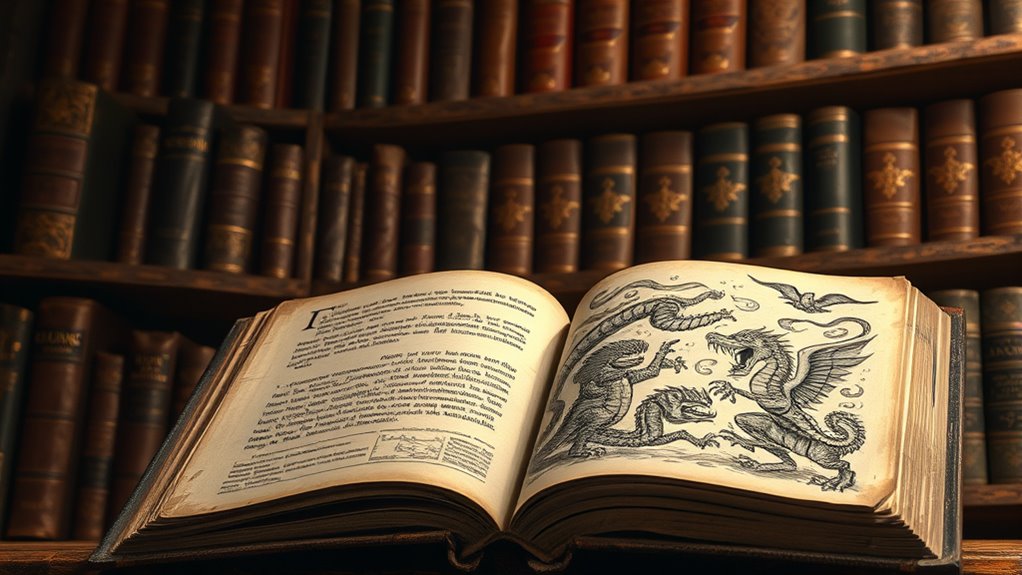
Throughout history, literature has played a vital role in transforming monsters from terrifying symbols into complex characters that reflect human fears, desires, and moral dilemmas. Instead of mere embodiments of chaos or evil, monsters become vessels for exploring moral ambiguity, forcing you to question notions of good and evil. Writers use these creatures to explore into the grey areas of morality, highlighting that monsters are not simply villains but often mirror the conflicting motives and struggles within yourself and society. This shift allows you to see monsters as more than just threats; they embody the moral complexities that challenge clear-cut judgments and provoke introspection about human nature.
Cultural symbolism is integral to this transformation. Different societies imbue their monsters with unique meanings, turning them into symbols of collective anxieties, moral lessons, or cultural values. For example, in many legends, monsters represent the chaos threatening social order, compelling you to confront fears rooted in cultural identity. Literature captures these symbolic roles, transforming monsters from mindless beasts into representations of societal fears or moral lessons. This cultural symbolism enriches your understanding of how these creatures serve as reflections of the values and conflicts within their respective societies, making them more relatable and thought-provoking. Additionally, modern adaptations often incorporate contemporary issues, allowing monsters to symbolize new societal anxieties and moral questions.
As authors reframe monsters in literature, they often attribute human qualities—empathy, remorse, or confusion—highlighting their moral ambiguity. You begin to see that these characters are not simply evil; instead, they embody the struggle between instinct and morality, chaos and order. This nuanced portrayal invites you to reconsider your assumptions about morality, recognizing that evil is often intertwined with circumstances, experience, and internal conflict. Monsters become a mirror for exploring your own moral boundaries and the complexities of human decision-making.
Furthermore, literature uses monsters to challenge cultural norms and provoke critical reflection. When you encounter these transformed characters, you’re encouraged to question societal taboos, prejudices, and the boundaries between the human and the inhuman. By doing so, authors push you to think beyond simplistic dichotomies, recognizing that monsters can embody the fears and hopes of a culture. Their symbolic and moral ambiguity makes them powerful tools for examining the moral fabric of society, revealing that what is monstrous often carries deeper truths about human nature and shared cultural anxieties. In this way, literature elevates monsters from mere frightful figures to profound symbols that prompt ongoing reflection on morality, culture, and the human condition. Moreover, contemporary literature and media often utilize monster symbolism to address current social issues, making these figures relevant and thought-provoking for modern audiences.
Frequently Asked Questions
How Do Cultural Differences Influence Monster Interpretations?
You see, cultural differences shape how you interpret monsters by influencing their symbolism and mythological origins. In some cultures, monsters represent chaos or evil, while in others, they symbolize protection or transformation. These diverse cultural symbols affect how you perceive monsters’ roles in stories. Understanding their mythological roots helps you grasp the deeper meanings behind monsters, revealing how cultural contexts transform their significance across different societies.
What Role Do Authors’ Personal Beliefs Play in Monster Depiction?
Authors’ personal beliefs substantially shape how they depict monsters. Your understanding of author bias influences how you interpret their moral perspectives embedded in the stories. When you notice these biases, you see how writers use monsters to reflect their values, fears, or social critiques. This perspective helps you appreciate how personal beliefs influence the monster’s role, making the narrative richer and more nuanced, revealing underlying moral messages.
Can Monsters Symbolize Societal Fears Beyond Individual Stories?
You can see monsters symbolize societal fears beyond individual stories by embodying mythical archetypes and moral allegories. They reflect collective anxieties, like fear of the unknown or moral decay, often representing larger issues. Literature uses these monsters to challenge societal norms, provoke thought, and highlight shared concerns. By doing so, monsters transcend personal narratives and become powerful symbols of widespread fears and cultural values.
How Have Digital Media Altered Monster Narratives?
You see digital media breathe new life into monster stories, turning virtual monsters into vivid, interactive nightmares. Digital reinterpretations let you explore these creatures in immersive worlds—glowing eyes in pixelated shadows or lurking behind screens—making them more immediate and personal. You become both observer and participant, experiencing fear through virtual monsters that adapt and evolve, reshaping traditional narratives into dynamic, multimedia experiences that blur reality and fantasy.
Are There Psychological Effects of Reading Monster-Themed Literature?
Reading monster-themed literature can impact you psychologically by triggering monster phobias and helping you process fear. When you encounter frightening monsters in stories, your mind works to understand and manage these fears, which can either intensify or desensitize your reactions. This active engagement allows you to confront fears in a safe environment, potentially reducing anxiety over time and improving your fear processing skills.
Conclusion
As you explore how literature transforms monsters, remember that these creatures reflect your fears, hopes, and morals. Literature doesn’t just scare you; it helps you understand the monsters’ humanity, revealing that they’re often misunderstood or shaped by society. Trust the theory that stories shape perception—by rewriting monsters, you change your view of what’s truly monstrous. Embrace this insight, and you’ll see that literature turns fear into understanding, making monsters less terrifying and more relatable.
Halloween Picks
halloween
As an affiliate, we earn on qualifying purchases.