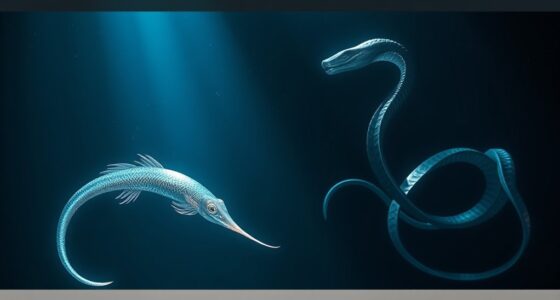
Using a telephoto lens with plenty of zoom is essential when capturing elusive creatures from a distance. It helps you get close-up shots without disturbing animals or risking missed moments. More zoom allows you to observe fine details and natural behaviors that might otherwise stay hidden. This is especially useful in wildlife photography when animals are shy or far away. Keep in mind that proper gear care and understanding your lens will help you maximize each shot’s potential. Keep exploring to learn more.

Prime made for students and young adults
- Fast, free delivery for dorm and study essentials
- Prime Video and Amazon Music included
- Member-only deals
Key Takeaways
- Use high-zoom telephoto lenses to capture distant, elusive creatures without disturbing their natural behavior.
- Greater zoom allows detailed shots of animals that are difficult to approach closely.
- Longer focal lengths help isolate subjects from backgrounds, emphasizing elusive creatures.
- More zoom compensates for unpredictable animal movements, enabling quick, close-up captures.
- Enhanced zoom capacity improves chances of photographing shy or rare wildlife from a safe distance.
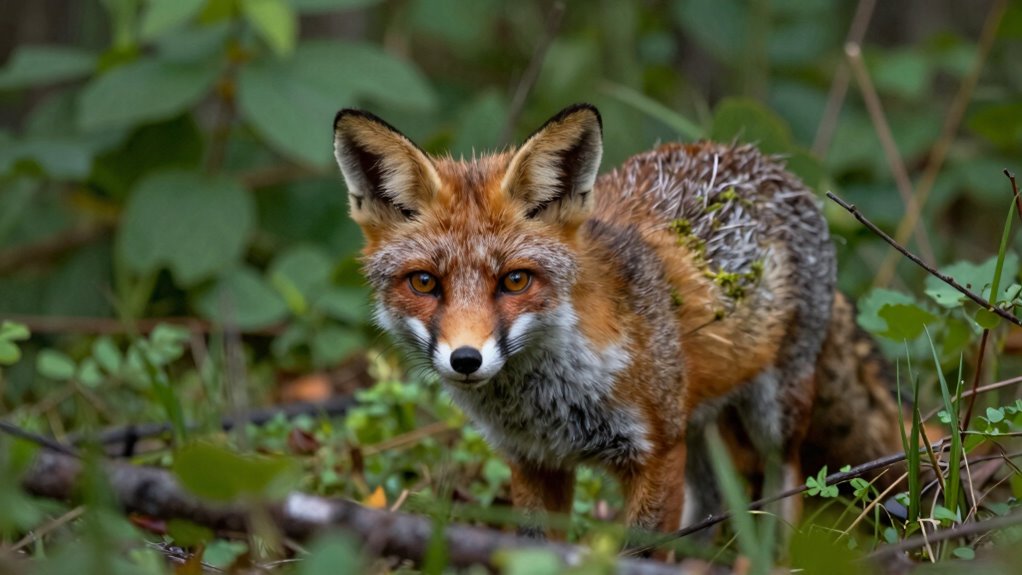
Capturing elusive creatures in their natural habitat requires more than patience; it demands the right equipment, especially a good telephoto lens. When you’re trying to observe wildlife behavior up close, a zoom lens with significant reach becomes your best tool. It allows you to get detailed shots without disturbing the animals, helping you study their natural actions without interference. The key is choosing a telephoto lens that offers enough zoom to bring distant subjects into sharp focus, so you can capture moments that would otherwise stay hidden.
A quality telephoto lens is essential for capturing wildlife up close without disturbing their natural behavior.
Your success hinges on understanding how wildlife behaves, which often involves waiting quietly for hours. During this time, your lens must stay in top condition to guarantee clear images. Proper lens maintenance is essential—cleaning the glass regularly, protecting it from dust and scratches, and making certain the autofocus functions smoothly. A well-maintained lens not only preserves image quality but also extends its lifespan, giving you consistent performance through many wildlife excursions. This reliability lets you focus on observing animal behavior rather than worrying about equipment issues.
When you’re in the field, a telephoto lens with a sturdy build and good image stabilization helps you shoot steady photos even when you’re in motion or facing windy conditions. The more you understand your lens’s capabilities, the better you’ll be at anticipating animal movements and capturing decisive moments. Remember, wildlife behavior can be unpredictable, so a lens with quick autofocus and minimal lag becomes invaluable. It allows you to quickly lock onto fast-moving animals or sudden actions, ensuring you don’t miss critical shots.
Moreover, maintaining your lens’s cleanliness and proper storage is vital. Dust, fingerprints, or smudges can ruin detailed shots of elusive creatures. Keep a microfiber cloth handy, and always store your lens in a padded case when not in use. Regularly inspecting your equipment ensures you catch minor issues before they grow into bigger problems that could hinder your ability to capture wildlife behavior accurately. Additionally, investing in lens protection helps safeguard your equipment from environmental hazards, ensuring longevity and optimal performance. Being aware of weather conditions and how they affect your gear can also improve your chances of success in challenging environments. It’s also beneficial to familiarize yourself with wildlife habits to better predict animal movements and improve your shot timing.
A good understanding of animal behavior patterns can significantly increase your success rate when capturing fleeting moments. In the end, investing in a quality telephoto lens and giving it proper care pays off. It enhances your ability to photograph animals at a distance, revealing their natural behaviors without intrusion. With patience, good equipment, and attentive lens maintenance, you’ll be able to document the secret lives of wildlife, capturing moments that tell their stories with clarity and depth.
telephoto zoom lens for wildlife photography
As an affiliate, we earn on qualifying purchases.
As an affiliate, we earn on qualifying purchases.
Frequently Asked Questions
What Is the Optimal Focal Length for Wildlife Telephoto Lenses?
The ideal focal length for wildlife telephoto lenses is usually between 300mm and 600mm. This range lets you capture bird behavior from a safe distance without disturbing them. Keep lens weight in mind, as longer focal lengths tend to be heavier, making handheld shots more challenging. You’ll find that a 400mm or 500mm lens balances reach and portability, helping you get sharp, detailed images of elusive creatures without excessive weight.
How Do Telephoto Lenses Affect Image Stabilization?
Telephoto lenses can make image stabilization essential because their long focal lengths amplify camera shake, leading to blurry images. When you use a telephoto lens, the effect of minor movements becomes more pronounced, so stabilization helps you achieve sharp shots. Many telephoto lenses have built-in image stabilization systems, which counteract shake and allow you to shoot at slower shutter speeds without sacrificing clarity, especially in wildlife photography where stability is challenging.
Are There Affordable Telephoto Lens Options for Beginners?
Sure, you can find budget options for telephoto lenses that won’t break the bank—think of them as the “easy-to-carry” magnifying glasses for your camera. Beginner guides often recommend these affordable choices for aspiring wildlife or sports photographers. Brands like Canon, Nikon, and Sigma offer entry-level telephoto lenses that deliver decent zoom without costing a fortune. Jump into online reviews and tutorials, and you’ll be zooming in on those elusive creatures in no time!
How Important Is Aperture Size in Telephoto Wildlife Photography?
Aperture size is vital in telephoto wildlife photography because a larger aperture allows more light, helping you capture sharp images in low light or fast shutter speeds. While autofocus is essential, a wide aperture also creates a pleasing background blur that isolates your subject. Keep lens weight in mind too; larger apertures often mean heavier lenses, so balance your gear for comfort without sacrificing image quality.
Can Telephoto Lenses Be Used Effectively With Smartphones?
Yes, telephoto lenses can be used effectively with smartphones. You just need smartphone compatibility and the right lens attachment options. Many clip-on or magnetic adapters make it easy to attach telephoto lenses securely. With these options, you can achieve impressive zoom and clarity, making it easier to capture elusive creatures from a distance. Just make certain the attachment fits your phone model properly for steady, high-quality shots.
high zoom telephoto lens for DSLR
As an affiliate, we earn on qualifying purchases.
As an affiliate, we earn on qualifying purchases.
Conclusion
So, next time you’re chasing that tiny, lightning-fast creature, don’t settle for less—grab a telephoto lens and turn yourself into a wildlife superhero. With the power of extra zoom, you’ll feel like you have a magic wand that can reveal secrets hidden to the naked eye. Trust me, no elusive creature can hide from your super-sleuth lens. Get ready to capture shots so stunning, they’ll leave the world breathless—your wild adventures just got a whole lot more epic!
wildlife telephoto lens with image stabilization
As an affiliate, we earn on qualifying purchases.
As an affiliate, we earn on qualifying purchases.
professional wildlife photography lens
As an affiliate, we earn on qualifying purchases.
As an affiliate, we earn on qualifying purchases.
Columbus Day / Indigenous Peoples' Day Picks
long weekend sales
As an affiliate, we earn on qualifying purchases.